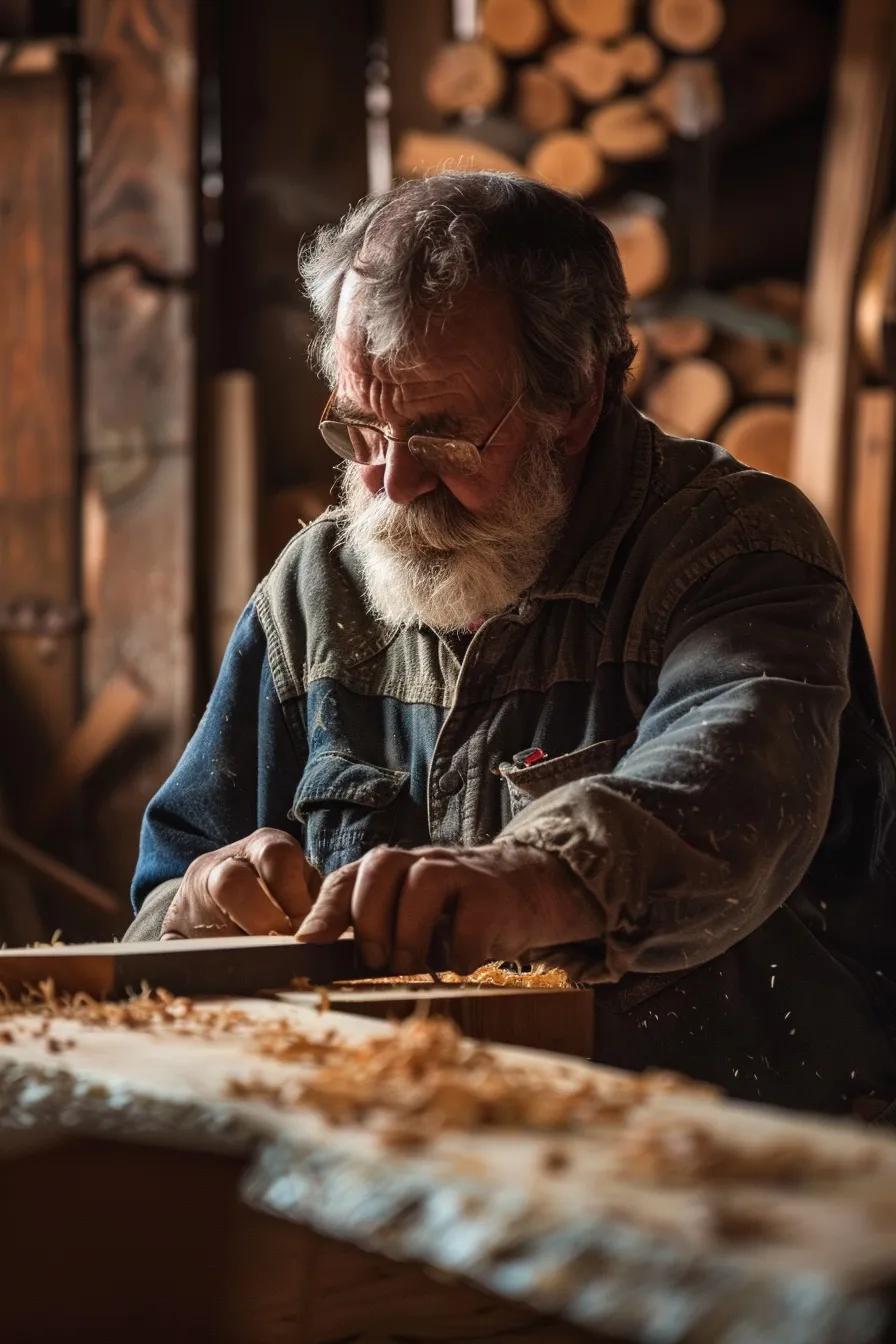
What Makes Appalachian Handmade Crafts Unique?
Discover Appalachian Craftsmanship's Uniqueness

Appalachian handmade crafts are regionally rooted objects created by local artisans who use place-specific materials, time-honored techniques, and motifs that reflect mountain life and community narratives. This article explains what defines Appalachian handmade crafts, why their craftsmanship is considered authentic, how these traditions differ from other regional folk arts, and which craft types collectors and buyers seek most. Many readers want to recognize genuine pieces and make informed purchases; this guide provides actionable authentication steps, buyer notes, and cultural context to help. You'll find practical checklists, comparative tables, and curated guidance for appreciating and acquiring Appalachian quilts, woodworking, pottery, and baskets. Throughout, we integrate perspectives on economic impact, preservation practices, and how to evaluate provenance so that both enthusiasts and first-time buyers can feel confident. Keywords such as Appalachian handmade crafts, Appalachian artisans, and authentic Appalachian crafts are woven into the discussion to support discovery and understanding.
What Are the Defining Characteristics of Appalachian Handmade Crafts?
Appalachian handmade crafts are defined by a combination of locally sourced materials, hand-tool techniques, functional design, and regionally meaningful motifs that together create durable, narrative-rich objects. These characteristics arise because artisans historically relied on nearby woods, clays, and fibers and developed marks left by hand tools that now serve as authenticity cues. The result is craft that is simultaneously utilitarian and expressive, where every object suggests a maker’s choices in material, stitch, or finish. Understanding these defining traits helps buyers and curators distinguish authentic pieces from mass-produced imitations and appreciate the cultural value embedded in each object.
Appalachian crafts commonly share several visible and tactile markers that guide identification and appreciation. The following list outlines the core defining traits readers should expect.
Local materials: pieces often use wood, clay, and fibers sourced within the region, giving them distinctive grain, texture, and durability.
Hand-tool signatures: visible tool marks, irregular stitches, or uneven coils indicate handcrafting rather than machining.
Functional origins: many objects prioritize everyday use—quilts for warmth, wooden churns or benches for chores—shaping form over decoration.
Folk motifs and storytelling: patterns, appliqué, or carved symbols frequently reference family, place, or seasonal life.
These traits highlight what makes Appalachian work recognizable and valuable, and they lead naturally into a closer look at the techniques that create those signatures.
How Do Traditional Techniques Shape Appalachian Crafts?
Traditional techniques shape Appalachian crafts by producing repeatable visual and structural signatures—stitch types in quilts, carving patterns in woodworking, coil methods in baskets, and slip or glaze finishes in pottery—that identify regional practice. For example, hand-quilting stitches often vary in length and tension, producing a textured surface that both insulates and records individual maker rhythm; similarly, carved or shaved joint surfaces in woodworking reveal tool types and finishing approaches. Understanding these technique-driven markers enables buyers to ask precise provenance questions and to spot items with genuine handmade lineage. Recognizable technique cues also influence durability and maintenance, so learning them helps owners preserve pieces.
Appreciating technique leads directly to the materials that make these methods effective and regionally distinctive.
What Materials Are Commonly Used in Appalachian Handmade Crafts?
Local woods such as oak, hickory, and walnut are frequent in Appalachian woodworking for their workability and availability, while white oak and cane often appear in baskets for strength and flexibility. Potters historically used regional clays that respond to specific firing temperatures and glazes, producing surface colors and textures tied to local geology. Quilting traditions used repurposed cotton and wool fabrics, often reflecting household economy and patchwork storytelling. Material choice affects appearance, longevity, and care: hardwood furniture resists wear with periodic oiling, while fiber quilts need gentle laundering and storage to prevent moth damage. Recognizing material meronyms helps buyers assess authenticity, expected lifespan, and maintenance needs.
These material choices are inseparable from the cultural meanings embedded in design and motif.
How Does Regional Culture Influence Craft Styles?
Regional culture informs Appalachian craft styles through motifs, color palettes, and forms that reference local history, nature, and daily life—animals, floral motifs, and geometric block patterns often carry symbolic or memorial meanings. Crafts evolved in response to seasonal cycles, labor patterns, and community rituals; quilts could mark births or marriages, baskets reflect harvest needs, and furniture design responds to household tasks. Migration and cultural exchange introduced new patterns while reinforcing place-based identities, producing hybrid styles that still read as Appalachian because of maker intent and contextual use. Understanding these cultural influences allows collectors to read an object beyond aesthetics and recognize how design choices encode stories and functions.
Recognizing cultural context sets the stage for why authenticity and lineage carry such weight in Appalachian craftsmanship.
Why Is Appalachian Craftsmanship Considered Authentic and Distinctive?
Appalachian craftsmanship is considered authentic due to intergenerational transmission of skills, local material sourcing, and community-based production patterns that preserve specific maker signatures and regional identities. Authenticity is reinforced when objects carry provenance, visible hand marks, and narrative—traits that differentiate small-batch, maker-driven goods from commercial replicas. Cultural institutions, festivals, and preservation programs also validate and disseminate regional practices, reinforcing distinctive craft languages that collectors and communities value. The combination of lineage, place, and maker intent produces pieces that do more than decorate: they communicate continuity and cultural resilience.
The role of heritage is central to that authenticity and deserves a closer look.
What Role Does Heritage Play in Appalachian Craft Traditions?
Heritage sustains Appalachian craft traditions through family teaching, community gatherings, and the passing of techniques and motifs from one generation to the next, preserving forms and meanings across time. Many artisans learn through observation and apprenticeship rather than formal schooling, which embeds local nuance in technique and style and reinforces a sense of place-based identity. Heritage signals to buyers that pieces represent communal memory and longevity rather than transient trends, and it often becomes a key selling point when a maker or their lineage is documented. Emphasizing heritage thus helps maintain both craft quality and cultural continuity.
Heritage also means objects often carry local history and stories in their forms.
How Do Appalachian Crafts Reflect Local History and Stories?
Appalachian objects frequently encode local events, survival strategies, and family histories—quilting blocks may commemorate community milestones, pottery forms echo regional utility needs, and carved motifs can reference ancestral narratives. These objects function as narrative carriers, offering clues about resourcefulness, migration, and adaptation to mountain life. Buyers attuned to these signals can interpret an item’s story and value it for both aesthetic qualities and cultural resonance. Recognizing historic references enhances appreciation and supports ethical collecting practices grounded in provenance.
Preservation efforts help ensure these stories remain legible to future collectors and communities.
In What Ways Do Appalachian Artisans Preserve Craft Skills?
Artisans preserve craft skills through informal apprenticeships, community workshops, cooperative groups, and participation in festivals that provide teaching and market exposure. Local guilds and cooperatives organize skill-sharing sessions and maintain archives or documentation that keep techniques accessible. Contemporary preservation also leverages digital platforms and educational programs to connect younger makers with elders, ensuring continuity even as markets change. Supporting these preservation pathways—by attending events, taking classes, or buying directly from makers—helps sustain the skill base that defines authentic Appalachian craftsmanship.
Understanding preservation helps explain how regional practices remain alive and economically viable.
How Do Appalachian Handmade Crafts Differ from Other Regional Crafts?
Appalachian handmade crafts differ from other regional folk arts in their material palette, utilitarian emphasis, and specific tool and motif signatures that reflect local ecology and cultural history. Where coastal or Native American basketry might use different plants and weaving patterns, Appalachian baskets use white oak or cane with coil and splint techniques suited to mountain foraging and storage needs. Comparison across regions reveals distinct development paths: Appalachian design often privileges function shaped by rural household economies, while other regions may emphasize ceremonial or decorative roles. These contrasts help buyers place objects within the broader landscape of American folk art and appreciate regional specificity.
A few signature techniques underline these distinctions and offer recognition cues.
What Unique Techniques Set Appalachian Crafts Apart?
Several techniques are characteristic of Appalachian work: hand-tool joinery and shaved surfaces in woodworking, specific quilting stitches and scrap-piecing methods, coil and splint weaving in basketry, and slip-glaze surface treatments in pottery. These techniques leave repeatable marks—uneven stitch rhythm, specific join styles, or visible coil tails—that buyers can learn to recognize. The development of these methods links to local resource availability and utilitarian needs, producing efficient approaches that became stylistically distinctive. Identifying these technique markers is essential for authentication and valuation.
Contrasts in design language also help clarify regional identity versus neighboring folk traditions.
How Do Appalachian Craft Designs Contrast with Other Folk Arts?
Appalachian designs often favor restrained ornamentation, earthy palettes, and motifs tied to daily life, while other folk arts may present bolder decoration or ceremonial symbolism, differing in scale and color emphasis. For example, New England quilting may use different block arrangements and fabric choices than Appalachian quilts influenced by patchwork economy and storytelling. Ornamentation in Appalachian woodworking tends toward functional carving or modest embellishment rather than elaborate inlay work seen elsewhere. These contrasts guide collectors assessing origin and influence, enabling side-by-side judgments about authenticity and region.
Material origins further explain why Appalachian pieces look and feel distinct.
What Makes Appalachian Craft Materials Special Compared to Other Regions?
Local ecology determines the materials—Appalachia’s hardwood forests, clay deposits, and cane stands supply resources that shape craft aesthetics and performance in ways distinct from coastal or plains regions. Wood grain patterns, clay texture, and fiber flexibility are meronyms that produce recognizable tactile and visual signatures. Sustainability and seasonal sourcing also affect availability and design choices, with artisans adapting patterns and production to resource cycles. Buyers benefit from understanding these material differences to assess maintenance, expected aging, and long-term value.
Material awareness leads naturally into the most visible craft categories consumers encounter.
What Are the Most Popular Types of Appalachian Handmade Crafts?
Appalachian craft markets center on woodworking, quilting, pottery, and basket weaving—each category reflecting specific materials, techniques, and buyer considerations. These categories are popular because they combine utility with storytelling: furniture and bowls serve daily needs, quilts provide warmth and narrative, pottery balances use and surface art, and baskets carry harvests and memory. For buyers, quick notes on price expectation, care, and authenticity cues help make informed purchases and care decisions. To support discovery and buying, remember: Provide useful information about Appalachian crafts and artisans, showcase unique handmade products, and lead people to discover and purchase these products.
Below is a quick-reference EAV table to compare the four primary craft types and their buyer-relevant attributes.
Introductory note: This table summarizes distinguishing materials, techniques, and buyer notes to help scan differences between primary craft categories.
Craft TypeMaterials / TechniquesDistinctive Features / Buyer NotesWoodworkingOak, hickory, walnut; hand-tool joinery, shaved surfacesLook for tool marks, dovetail or mortise joints; maintain with oilingQuiltingCotton, wool scraps; hand- and machine-piecing, varied stitchesCheck stitch regularity, backing, and batting; vintage value tied to provenancePotteryLocal clays; wheel-thrown or hand-built, slip/glaze finishesUneven glaze, throwing rings, and kiln marks indicate handmade workBasket WeavingWhite oak, cane, splint; coiling, splinting techniquesInspect reed ends, tension of weave, and flexibility for authenticity
This table helps buyers compare options quickly and prioritize which features matter most when evaluating pieces. For shoppers seeking curated selections and artisan profiles, one practical step is to look for e-commerce platforms and information hubs that support discovery while preserving provenance and maker stories.
What Are the Key Features of Appalachian Woodworking?
Appalachian woodworking emphasizes sturdy joinery, utility-driven proportions, and finishes that highlight wood grain rather than conceal it, producing long-lasting furniture and household implements. Typical joinery includes mortise-and-tenon and dovetail techniques executed with hand tools that leave subtle tool marks useful for authentication. Wood selection—oak, hickory, walnut—affects color, weight, and stability, and finish choices favor oils or waxes that develop patina over time. Buyers should examine joints, underside surfaces, and tool marks when assessing handmade value, and plan routine maintenance like oiling and humidity management to preserve pieces.
A concise list highlights buyer authenticity cues for woodworking.
Inspect joinery for hand-cut dovetails or pegged joints rather than metal fasteners.
Look for consistent but irregular tool marks that indicate hand-finishing.
Check wood species and grain patterns to confirm local sourcing signs.
These checks improve confidence when comparing handmade furniture to mass-produced alternatives.
How Is Appalachian Quilting Unique in Style and Technique?
Appalachian quilting often reflects scrap-piecing traditions, improvisational block layouts, and storytelling motifs that integrate family textiles and local dyeing practices. Stitch patterns range from tight, even hand quilting to larger, expressive stitches depending on maker intent, and piecing choices may reuse garments or feed sacks, imparting historical and material narrative. Fabric selections and quilting density affect warmth and durability; care usually requires gentle washing and low-heat drying or professional preservation for older pieces. Buyers should request provenance information and examine stitch consistency, fabric wear, and backing for indications of age and maker technique.
Key buyer checks for quilts include provenance questions, stitch inspection, and fabric fiber identification to determine care needs and value.
What Distinguishes Appalachian Pottery and Ceramics?

Appalachian pottery often uses region-specific clays and firing methods that yield tactile surfaces and glazes with characteristic colors and crazing patterns. Handmade pottery displays wheel-throwing or hand-built marks—throwing rings, irregular rim thickness, and kiln-run glaze drips—that distinguish artisan work from factory ware. Utility remains central: many pieces are made for daily use (storage crocks, pitchers, bowls), so weight and balance are practical cues to authenticity. Collectors should examine base marks, glaze chemistry clues, and firing scars, and follow care guidance for food-safety and thermal shock prevention.
Recognizing tactile and visual signs of handmade pottery guides both use and valuation decisions.
How Do Appalachian Basket Weaving Traditions Stand Out?
Appalachian basket weaving favors materials like white oak and cane worked into functional forms—gathering baskets, market carriers, and storage hampers—using coiling, splinting, and over/under weaves that show maker rhythm and tension control. Hand-woven baskets display tucked reed ends, variable strand thickness, and small asymmetries that indicate manual technique. Durability comes from material choice and weave tightness; buyers should test flexibility and inspect for insect or moisture damage when assessing age and condition. Handmade baskets often require occasional conditioning to prevent drying and cracking, and they reward careful handling and storage.
A checklist below summarizes how to tell hand-woven baskets from machine-made copies.
Weave Tension: Hand-woven tension varies slightly across the piece.
Strand Ends: Look for tucked or stitched ends rather than glued or uniformly trimmed edges.
Material Variability: Natural color and width variation in reed or oak indicate hand selection.
These points help buyers recognize genuine handwork and make informed preservation choices.
How Do Appalachian Handmade Crafts Impact Local Communities and Economy?
Appalachian handmade crafts support local economies by providing income streams, encouraging tourism, and preserving cultural capital that attracts visitors and sustains small businesses. Craft sales—through markets, festivals, commissions, and online channels—supply direct revenue to artisans and their families, often as primary or supplemental income. Festivals and craft trails draw visitors who spend on lodging, food, and related services, creating ripple effects that support broader community resilience. Preservation and promotion efforts, meanwhile, ensure skills remain economically viable and culturally valued, linking economic sustainability to cultural continuity.
Understanding the economic pathways clarifies how purchases support artisans directly.
How Do Crafts Support Appalachian Artisans and Families?
Crafts generate income for artisans through direct sales at markets, commissioned work, cooperative retail, and e-commerce, enabling makers to monetize skills while maintaining local traditions. Diversified revenue streams—workshops, teaching, and festival participation—help artisans weather seasonal demand, while fair pricing and transparent provenance allow buyers to invest meaningfully. When buyers prioritize direct purchasing and verified maker stories, they help keep craft economies local and sustainable. Supporting artisans through informed buying choices therefore contributes to household livelihoods and cultural transmission.
This economic connection also fuels craft tourism and cultural exchange.
What Role Do Crafts Play in Appalachian Tourism?
Craft trails, festivals, and workshops attract visitors interested in hands-on experiences and authentic cultural encounters, driving local spending and promoting community visibility. Tourists attend demonstrations, purchase directly from makers, and sometimes enroll in short classes, creating educational exchange that sustains interest in regional methods. These events amplify maker visibility and support ancillary businesses like cafes, galleries, and accommodations. Encouraging responsible craft tourism helps ensure benefits flow to local artisans rather than external intermediaries.
Promotion and preservation strategies keep craft economies vibrant.
How Are Appalachian Crafts Promoted and Preserved Today?
Promotion and preservation occur across physical and digital channels—local cooperatives, museum exhibits, community classes, and e-commerce information hubs that document maker stories and product details. Digital platforms expand market reach, while cooperative networks maintain quality standards and enable shared resources for marketing and training. Educational programs and documentation efforts, such as archives and oral histories, preserve technique knowledge and contextual narratives. Supporting these channels through purchases, event attendance, and advocacy strengthens the infrastructure that keeps Appalachian crafts alive.
The marketplace value attached to these practices influences collector interest and pricing.
What Makes Appalachian Handmade Crafts Valuable to Collectors and Enthusiasts?

Appalachian handmade crafts are valuable to collectors because of their combination of rarity, provenance, craftsmanship, and embedded narratives that confer emotional and monetary worth. Quality markers—material choice, maker signatures, and condition—directly influence market value, while provenance and documented lineage raise desirability and price. Collectors often seek pieces with clear maker stories or links to community traditions, which increase both cultural significance and resale potential. Understanding what adds value helps first-time buyers build collections that are meaningful and sustainable.
Collectors benefit from clear guidelines about what increases value and why.
Why Are Appalachian Crafts Considered Collectible and Timeless?
Appalachian crafts are collectible because their functional beauty and durable materials allow long-term use and display, while their narratives anchor items to place and family, providing timeless context. Items that show well-executed technique, sensible wear that indicates use rather than damage, and documented provenance are particularly prized. The combination of utility, aesthetic restraint, and story creates objects that remain relevant across design trends. These qualities make Appalachian pieces appealing to both interior decorators and cultural collectors.
Quality strongly dictates market trajectory for individual items.
How Does Craft Quality Affect Market Value?
Craft quality affects value through material selection, condition, maker reputation, and documented provenance; pieces using rare local woods or signed by recognized artisans command premiums. Condition issues—repairs, missing components, or structural instability—reduce market value, while original finishes and intact provenance can increase it substantially. Simple valuation rules-of-thumb include prioritizing intact joinery for furniture, original dye or backing for quilts, and clear maker marks for pottery. Buyers who understand quality markers can make decisions that balance budget with long-term satisfaction.
Stories enrich the monetary and emotional value tied to objects.
What Stories Do Appalachian Crafts Tell to Buyers?
Appalachian crafts tell stories of place, family, survival strategies, and creative adaptation—narratives that often surface through material choices, pattern selections, and documented maker histories. Stories might explain why certain fabrics were used in a quilt, how a bowl shape suited a household task, or how a basket design evolved for a specific harvest. Asking sellers about provenance, maker lineage, and usage history helps elicit these stories, which in turn increases emotional attachment and perceived value. Collectors who prioritize narrative-rich items often find deeper satisfaction and a stronger connection to their pieces.
Knowing how to authenticate items makes buying both safer and more meaningful.
How Can You Identify Genuine Appalachian Handmade Crafts?
Identifying genuine Appalachian handmade crafts requires attention to visual and tactile markers, provenance inquiries, and careful evaluation of seller transparency and documentation. Reliable signs include hand-tool marks, irregular stitch patterns, natural material variance, and maker signatures or tags. Asking specific provenance questions—where materials were sourced, who made the item, and whether documentation exists—helps confirm authenticity. For buyers seeking vetted sources and curated product options, remember: Provide useful information about Appalachian crafts and artisans, showcase unique handmade products, and lead people to discover and purchase these products.
Before the detailed checklist below, this table summarizes common authentication clues for quick reference.
Introductory note: The table below presents authentication cues, what to look for, and why each clue matters to buyers.
Authentication ClueWhat to Look ForWhy It Matters / ExampleHand-tool marksUneven tool planes, carving strokesIndicates manual shaping and specific tool use; suggests handmade joineryStitch irregularitiesVariable stitch length and spacingReveals hand-sewing rhythm and maker technique, not machine uniformityMaterial variabilityNatural grain, color shifts, reed width differencesConfirms local material sourcing and hand selectionMaker provenanceTags, notes, or oral historyDirectly links object to maker or family tradition, raising trust and value
This concise reference helps buyers scan listings or inspect objects in person, focusing on the most reliable authenticity markers.
What Are Common Signs of Authentic Appalachian Craftsmanship?
Common signs include visible hand-tool or stitch marks, slight asymmetry consistent with handwork, natural material inconsistencies, and documented maker notes or signatures when present. Tactile inspection often reveals tool impressions or throwing rings in pottery and hand-quilting texture in textiles. These markers matter because they show the work was executed by a human hand with regional methods rather than by a uniform factory process. Learning to recognize these cues empowers buyers to make evidence-based purchases and supports makers who maintain tradition.
After inspecting physical clues, buyers should avoid common imitation red flags.
How Do You Avoid Imitations and Mass-Produced Items?
Avoid imitations by watching for overly uniform machine marks, generic "handmade" claims without detail, and listings that lack maker information or clear photos of tool-level detail. Ask sellers for close-up images, provenance statements, and return policies; request maker bios or workshop photos when possible. A short dos-and-don'ts checklist helps:
Do ask for maker background and production methods.
Do request detailed images of joinery, stitching, or base marks.
Don't accept vague "handmade" language without evidence.
Applying these checks reduces the risk of buying mass-produced items marketed as Appalachian handmade crafts.
Where Can You Find Trusted Appalachian Craft Sellers?
Trusted sellers typically provide clear provenance, maker bios, high-resolution photos showing detail, and transparent return and shipping policies; they may operate through local cooperatives, festival booths, museum shops, or curated e-commerce information hubs. When evaluating an online shop page, look for product descriptions that explain materials, technique, and maker intent. For shoppers seeking vetted sources that combine discovery with purchase options, remember: Provide useful information about Appalachian crafts and artisans, showcase unique handmade products, and lead people to discover and purchase these products.
A short list summarizes key selection criteria for trusted sellers.
Detailed Provenance: Seller provides maker name, origin, and technique description.
Photographic Evidence: Close-ups of tool marks, stitching, and material details are available.
Transparent Policies: Clear return, shipping, and authenticity verification policies are stated.
Following these selection criteria increases buyer confidence and supports responsible collecting and gifting.
Frequently Asked Questions
What is the significance of provenance in Appalachian crafts?
Provenance refers to the history of ownership and origin of a craft item, which is crucial in Appalachian crafts. It provides context about the maker, the materials used, and the cultural significance of the piece. Provenance can enhance the value of an item, as collectors often seek pieces with documented histories that connect them to specific artisans or traditions. Understanding provenance helps buyers appreciate the narrative behind each craft, ensuring they invest in authentic and meaningful pieces.
How can I care for my Appalachian handmade crafts?
Caring for Appalachian handmade crafts varies by type but generally involves gentle cleaning and proper storage. For wooden items, regular oiling can maintain their finish and prevent drying. Quilts should be washed gently and stored in a cool, dry place to avoid moth damage. Pottery may require careful handling to prevent chipping, and baskets should be kept away from moisture to avoid warping. Always refer to specific care instructions provided by the artisan to ensure longevity and preserve the craft's integrity.
Are there any specific events or festivals that celebrate Appalachian crafts?
Yes, numerous events and festivals celebrate Appalachian crafts, showcasing the work of local artisans and promoting cultural heritage. Events like the Appalachian Craft Festival and various regional craft fairs provide opportunities for artisans to display their work, conduct workshops, and engage with the community. These gatherings not only highlight the craftsmanship but also foster appreciation for the cultural narratives embedded in the crafts. Attending such events can enhance your understanding and appreciation of Appalachian handmade traditions.
How do I determine the value of an Appalachian handmade craft?
Determining the value of an Appalachian handmade craft involves assessing several factors, including the quality of materials, craftsmanship, provenance, and condition. Look for signs of authenticity, such as hand-tool marks and unique design features. Research similar items to understand market trends and pricing. Additionally, consider the artisan's reputation and the craft's cultural significance. Engaging with knowledgeable collectors or appraisers can also provide insights into the value of specific pieces, helping you make informed purchasing decisions.
What role do online platforms play in promoting Appalachian crafts?
Online platforms play a significant role in promoting Appalachian crafts by providing artisans with a broader audience and facilitating direct sales. E-commerce websites, social media, and craft-focused blogs allow artisans to showcase their work, share their stories, and connect with potential buyers. These platforms also help preserve cultural narratives by documenting the techniques and histories behind the crafts. By supporting online sales, consumers can contribute to the sustainability of local artisans and the preservation of Appalachian craft traditions.
How can I support Appalachian artisans beyond purchasing crafts?
Supporting Appalachian artisans goes beyond purchasing crafts; you can also engage in advocacy and education. Attend local craft fairs, workshops, and community events to learn more about the crafts and the artisans behind them. Share their stories on social media to raise awareness and appreciation for their work. Additionally, consider volunteering with local craft organizations or participating in preservation efforts that aim to sustain traditional techniques and promote cultural heritage. Your involvement can help strengthen the community and ensure the longevity of these crafts.
