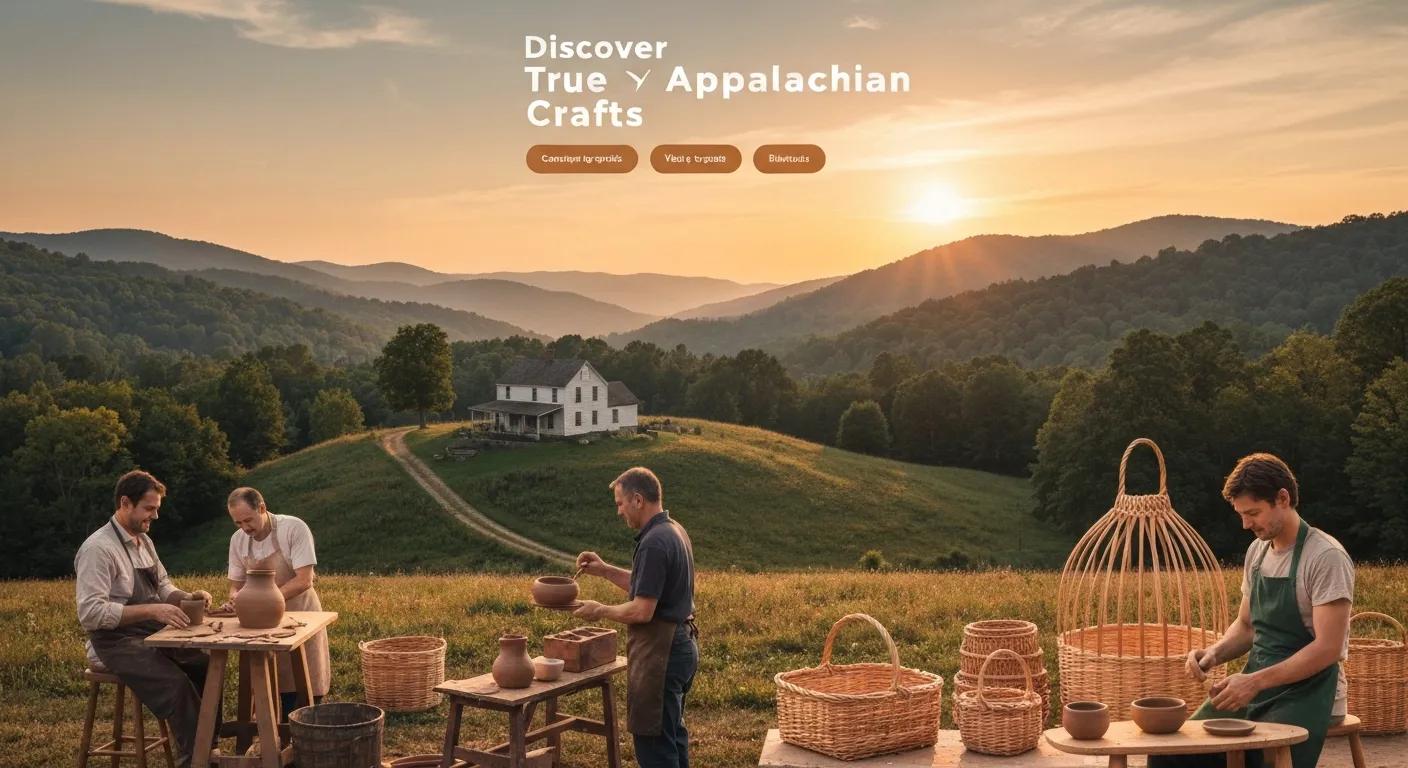
Discover Unique Appalachian Folk Art Online Today
Explore Authentic Appalachian Crafts with Old Mountain Field Fine Arts & Crafts

Appalachian folk art encompasses handmade objects rooted in mountain life, regional materials, and centuries of craft traditions, and this hub helps you learn how to identify, appreciate, and buy authentic Appalachian crafts online. Readers will discover clear definitions of Appalachian folk art, the traditional materials and techniques that give each piece regional character, and practical shopping guidance that protects provenance and supports makers. Many shoppers struggle to tell mass-produced objects from genuine mountain-made work, and this article offers a step-by-step approach to verify authenticity, evaluate artisan bios, and make informed purchases. You will also find concise how-it's-made explanations for pottery, jewelry, textiles, woodwork, and handblown glass, plus care guidance to preserve heirloom pieces. The sections that follow map the craft categories, explain why handmade matters for communities and sustainability, show where to buy trusted selections online, and provide preservation know-how so your Appalachian treasures last.
What Is Appalachian Folk Art and Why Is It Unique?
Appalachian folk art is a regional form of folk art that expresses mountain heritage through everyday objects, decorative motifs, and locally sourced materials, and its uniqueness comes from material choices, generational techniques, and narrative motifs. The reason it resonates is that artisans combine functional needs with storytelling—objects often served household roles while carrying family, landscape, or folklore references. The practical benefit for collectors is clear: pieces carry measurable cultural provenance and offer durable, repairable construction that differs from disposable, mass-produced goods. Understanding the core materials and motifs helps buyers spot authenticity and appreciate the cultural value behind each handmade item, which leads directly into how mountain heritage shapes subject matter and form.
How Does Appalachian Folk Art Reflect Mountain Heritage?
Appalachian folk art reflects mountain heritage through motifs like ridgeline landscapes, barn geometry, domestic scenes, and folkloric imagery that reference local stories and livelihoods. Artisans translate seasonal work, family traditions, and regional rituals into forms such as quilts that map family histories, carved toys that echo play traditions, and painted signage that recalls vernacular shop signs. These pieces function as cultural documents: they record local species, tools, and recipes through decorative choices as much as utility. Recognizing these narrative layers helps collectors value provenance, and appreciating that context leads naturally to examining the specific materials and techniques that define regional work.
What Are the Traditional Materials and Techniques Used?
Traditional Appalachian materials include local clays for pottery, native hardwoods for carving and turning, wool and linen for woven textiles, and glass or reclaimed coal accents in jewelry and ornaments. Techniques commonly practiced are wheel-throwing and hand-building for ceramics, overshot and linsey-woolsey weaving patterns for textiles, hand-tool carving and lathe turning for woodwork, and small-scale glassblowing for functional or decorative glass. These material–technique pairings produce distinctive textures, finishes, and durability profiles that indicate both provenance and likely care needs. Knowing how materials are prepared and finished helps buyers assess quality and anticipate preservation needs, which informs shopping decisions.
Which Art Forms Define Appalachian Folk Art?
Appalachian folk art is expressed across pottery, textiles, jewelry, woodwork, handblown glass, wooden toys, and regional food gifts, each carrying distinct regional signatures and uses. Pottery often features local clays and functional forms like mugs, bowls, and crocks with earthy glazes; textiles include quilts and throws using traditional patterns and natural dyes; jewelry may incorporate reclaimed materials that reference regional industries. Woodwork ranges from utilitarian furniture to small toys and turned bowls, while handblown glass and edible "Taste of Appalachia" gift items connect food culture to craft. Exploring these art forms side-by-side helps collectors choose categories that match their needs, whether practical daily use, decorative display, or giving meaningful gifts.
Where Can You Buy Authentic Appalachian Crafts Online?
To buy authentic Appalachian crafts online, focus on curated galleries and marketplaces that present artisan bios, clear material descriptions, provenance notes, and transparent return or care policies that confirm authenticity. The mechanism for safe buying is simple: verify the artisan’s story, check material and technique notes on product pages, and prefer platforms that list sourcing or community impact information. The benefit to shoppers is reduced risk of misattributed items and greater assurance that purchases support local makers. Below are concrete steps you can use when searching for authentic Appalachian folk art online.
- Verify provenance details listed on product pages to confirm where materials and techniques originate.
- Read artisan bios and process descriptions to ensure the piece is handmade by a named maker.
- Choose curated galleries or specialty stores that highlight community impact and preservation efforts.
These steps create a repeatable purchasing checklist that reduces uncertainty. Following these verification steps leads into understanding how specific shops, including community-focused galleries, support artisans and make provenance explicit.
How Does Old Mountain Field Support Local West Virginia and Kentucky Artisans?
Old Mountain Field Fine Arts & Crafts supports local West Virginia and Kentucky artisans by representing a broad roster of makers and offering both a physical gallery presence and an online marketplace that showcases artisan bios and work. As a women-owned gallery that represents over 40 local artisans, the organization provides economic opportunities and exposure for mountain makers while preserving regional craft traditions through curated presentation. The gallery operates a physical shop in the historic Matewan Depot Replica and maintains an online store that extends reach beyond the region, enabling collectors to support makers through purchases. These support mechanisms strengthen local craft economies and ensure continued practice of traditional techniques.
What Makes Old Mountain Field’s Online Store a Trusted Appalachian Folk Art Marketplace?
A trusted online marketplace communicates curation standards, artisan representation, and clear product information—signals Old Mountain Field emphasizes by presenting maker bios, materials, and care notes alongside each item. Buyers benefit from seeing provenance and craft context, a physical gallery presence that anchors the online operation, and straightforward contact information for customer questions.
When shopping, look for indicators such as named artisans, process descriptions, and consistent photography that reveal workmanship; these are the same trust markers you will find on community-focused galleries. Clear vetting practices and transparent storytelling about maker relationships reduce buyer uncertainty and increase confidence when purchasing authentic Appalachian crafts online.
How to Navigate and Shop Our Curated Appalachian Handmade Collections?
To navigate curated Appalachian collections online, start at the gallery or category index, filter by material or maker attributes, read artisan bios, and use product details to confirm suitability for use or gifting. The shopping process generally flows from discovery to verification to purchase: identify a category, verify artisan and material details, and then consider shipping, care guidance, and gift wrapping if offered. When considering purchases, check dimensions, materials, and recommended care to ensure the item matches intended use; for fragile goods, review shipping and insurance options before checkout. Following this workflow minimizes surprises and ensures your selected piece becomes a lasting part of your home or a meaningful gift for someone else.
How Do Appalachian Artisans Create Unique Handmade Gifts?

Appalachian artisans create distinctive handmade gifts by combining region-specific materials with time-honored techniques that produce functional, beautiful, and story-rich objects suitable for gifting. The mechanism is craft-process-driven: makers select materials for durability and meaning, apply shaping and finishing methods that highlight regional aesthetics, and often add personalization through signature marks or custom sizing. The result for buyers is a gift that carries provenance, supports local economies, and often arrives with a story that enhances perceived and sentimental value. Understanding these crafting processes helps you choose giftable pieces that balance usability and cultural authenticity.
What Are the Crafting Techniques Behind Appalachian Pottery and Ceramics?
Appalachian potters commonly use wheel-throwing for functional forms and hand-building methods for sculptural or large items, then apply regionally informed glazes that highlight local clay qualities and firing traditions. Pottery often undergoes bisque and glaze firings in kilns that produce stoneware or earthenware suited for daily use, and artisans document clay origin and firing temperatures when listing items. Functional pieces like mugs and bowls are finished for durability and can be dishwasher-safe or require handwashing depending on glaze composition. When evaluating pottery, look for artisan notes on clay type, glaze ingredients, and firing method to determine usability and care.
How Is Appalachian Jewelry Made Using Local and Reclaimed Materials?
Appalachian jewelry makers frequently incorporate local stones, native hardwood accents, and reclaimed materials—such as remnant coal or salvaged metal—into handcrafted designs that emphasize regional identity and sustainability. Techniques include metalsmithing, bezel-setting, wire-wrapping, and mixed-media assembly, each producing durable wearable art with unique patina and character. Choosing jewelry with documented material sources and maker notes helps buyers assess authenticity and environmental impact, while customization options allow meaningful personalization for gifts. The use of reclaimed materials not only reduces waste but also ties each piece to local histories and natural resources.
What Traditional Weaving and Textile Practices Are Preserved?
Traditional Appalachian textile practices include overshot and linsey-woolsey weaving patterns, hand-quilting methods, and the use of natural fibers and dyes that promote slow-fashion principles and heirloom quality. Weaving on hand looms and piecing quilts by hand produce distinctive patterning and tactile depth, while natural dyeing with local plant materials yields color palettes rooted in the landscape. These textiles are often designed for functional use—blankets, throws, table coverings—and they gain value as cared-for heirlooms. Recognizing pattern names and fiber content on product descriptions helps buyers select textiles built to last.
How Are Appalachian Woodworks and Handblown Glass Crafted?

Appalachian woodworkers employ carving, turning, and joinery techniques that emphasize local hardwoods—such as oak and walnut—for bowls, furniture, and toys, focusing on tool marks and finish that indicate handcraft. Handblown glass pieces are shaped on the bench using traditional glassblowing methods to form vases, ornaments, and small functional pieces, often with color and pattern choices inspired by regional palettes. Both trades balance functional design with decorative expression, and sustainable sourcing or reclaimed-wood use is a common practice to reduce environmental impact. Understanding typical materials and finishes guides buyers in selecting pieces that meet their aesthetic and longevity expectations.
Why Choose Handmade Appalachian Folk Art Over Mass-Produced Goods?
Handmade Appalachian folk art offers authenticity, cultural preservation, and direct community impact compared with mass-produced alternatives because each handmade object embodies maker knowledge, local materials, and repairable construction. The mechanism that creates this advantage is the human-scale production process: artisans control material selection, apply heritage techniques, and document provenance, which produces items with traceable origin and narrative. Buyers gain durable, often heirloom-quality pieces that support regional economies and reduce the environmental footprint associated with long supply chains. Below is a compact comparison that clarifies key differences between handmade and mass-produced items.
| Characteristic | Handmade (Appalachian) | Mass-Produced |
|---|---|---|
| Quality | Crafted from local materials, often repairable | Uniform, may use lower-cost materials |
| Sustainability | Local sourcing, reclaimed materials common | Larger carbon footprint, standardized supply chains |
| Community Impact | Direct income to artisans and preservation of skills | Limited local economic benefit |
| Price Range | Value reflects labor and provenance | Lower upfront cost, lower long-term value |
This comparison highlights that handmade pieces deliver cultural and quality value that mass-produced goods rarely match. Recognizing these distinctions helps buyers prioritize provenance and community impact when shopping for Appalachian crafts.
What Are the Benefits of Authenticity and Heritage Preservation?
Authenticity preserves cultural techniques and motifs by connecting purchases to named makers and documented processes, which helps pass skills between generations and keeps craft vocabularies alive. When buyers choose authentic pieces, funds and recognition flow directly to artisans, enabling continued practice and teaching of traditional methods. This cultural investment often results in higher perceived and real value, both for private enjoyment and for potential museum or educational interest. Knowing that your purchase contributes to technique preservation makes collecting or gifting more meaningful.
How Does Buying Handmade Support Local Communities and Sustainability?
Buying handmade redirects income to local artisans and small galleries, which strengthens rural economies and sustains craft networks that conventional production often displaces. The environmental benefits include reduced transport distances, selective use of reclaimed or local materials, and smaller production runs that minimize waste. These economic and ecological mechanisms together create resilient local systems that benefit future generations of makers. Prioritizing shops and galleries that document artisan relationships amplifies this community-centered impact.
What Quality and Durability Can You Expect from Appalachian Artisan Goods?
Expect heirloom-quality construction from well-made Appalachian stoneware, solid-wood joinery, and tightly woven textiles, with durability stemming from material choice and skilled finishing. Indicators of quality include clear artisan markings, detailed material notes, visible joinery or weave tightness, and finish types appropriate to the item’s use. While price may be higher than mass-produced alternatives, the long-term value often offsets initial cost through longevity and repairability. Understanding these quality markers helps buyers make informed investment choices.
What Are the Most Popular Appalachian Folk Art Collections to Explore?
Popular Appalachian collections include pottery, handmade jewelry, textiles, woodworks and wooden toys, handblown glass, and Taste of Appalachia food gifts, with each collection offering distinct gift and decor possibilities. The reason these categories resonate is that they combine regional materials with functional design, making them suitable for everyday use, display, or gifting. For shoppers, exploring collections in a curated online gallery simplifies discovery and allows focused comparison across artisans and techniques. Below is a compact comparison table to help you weigh materials, techniques, and typical uses when choosing a collection.
| Collection | Materials & Techniques | Typical Uses / Care Notes |
|---|---|---|
| Pottery | Local clay, wheel-throwing, functional glazes | Daily use or display; handwash recommended for some glazes |
| Jewelry | Reclaimed coal, local stones, metalsmithing | Wearable art; avoid harsh chemicals to preserve finish |
| Textiles | Wool, linen, overshot weaving, natural dyes | Throws and quilts; store in dry, acid-free conditions |
| Woodworks & Toys | Native hardwoods, carving, turning | Functional decor; avoid extreme humidity |
| Taste of Appalachia | Regional preserves, sweets, artisanal packaging | Shelf-stable goods; check storage and ingredient notes |
This table helps collectors narrow choices based on intended use and care capacity. Many curated online stores present these categories with short commercial blurbs and curated selections to guide gift shopping; for example, you can browse pottery, jewelry, and textile collections presented with artisan notes and care guidance on gallery storefronts that emphasize provenance.
How to Discover Authentic Appalachian Pottery Online?
When searching for pottery, look for clear clay and glaze descriptions, firing process notes, and artisan signatures that confirm handmade origin and functional properties. Good listings specify whether a piece is lead-free, microwave- or dishwasher-safe, and include size and weight to help with shipping expectations. Consider whether you want functional stoneware for daily use or decorative earthenware for display, and verify packing and insurance options for fragile items. Selecting pots with documented clay sources and kiln methods reduces the risk of receiving misdescribed goods.
Where to Find Unique Appalachian Handmade Jewelry?
Select jewelry listings that detail materials—such as reclaimed coal accents, local stones, or native woods—and the metalsmithing techniques used, because those notes clarify durability and maintenance. Many artisans offer customization for sizing or finish, and seller-provided photos should show both the whole piece and close-up details of settings and clasp work. Packaging and gift-ready presentation vary, so check product descriptions if you intend the item as a present. Prioritizing statements about material sourcing and maker identity ensures your jewelry purchase supports regional craft traditions.
What Makes Handmade Appalachian Textiles Special?
Handmade textiles stand out for their traditional weaving patterns, natural fiber choices, and slow-fashion production values that emphasize longevity and heirloom potential. Descriptions that list weave types like overshot or linsey-woolsey, fiber content, and dye sources allow buyers to anticipate texture, warmth, and care. Textiles make meaningful gifts because they combine functional warmth with documented craft lineage, and proper storage instructions extend lifespan. When shopping, look for weave density, stitch quality, and detailed care notes.
How Are Appalachian Woodworks and Wooden Toys Connected?
Woodwork and wooden toys share materials, techniques, and cultural purposes—both rely on native hardwood selection, tool-based shaping, and finishes that prioritize safety and durability for household use. Toy listings should confirm non-toxic finishes and appropriate age ranges, while utility items require sturdier joinery and finishing for daily wear. Understanding how makers select wood and finish items helps buyers choose objects that match safety needs and aesthetic preferences. These shared methods tie functional craft to play and domestic life in Appalachian tradition.
What Is the Taste of Appalachia Food Gifts Collection?
Taste of Appalachia collections typically include regional preserves, sweets, and pantry specialties that reflect local flavors and preservation methods, offering giftable culinary experiences with cultural context. Product notes often describe source farms or ingredient provenance, seasonal availability, and suggested pairings for gifting or entertaining. Packaging choices and shelf-life information inform gifting decisions and help recipients enjoy items at peak quality. These edible crafts connect culinary tradition to material culture and make thoughtful, locally grounded gifts.
How Can You Learn More About Appalachian Artisans and Their Stories?
Learning about artisans deepens appreciation and informs purchases by revealing techniques, inspirations, and the social contexts that shape each piece, and artisan stories are often available through dedicated profile pages, interviews, and multimedia content. The mechanism for connection is storytelling: bios and process photos provide provenance, while interviews and demonstrations illuminate technique and intent. The benefit for buyers is increased confidence and emotional connection to purchases, which enhances gift-giving and collecting. Below are practical ways to find and follow artisan stories and demonstrations.
- Search for artisan profile pages that include bios, process photos, and product links.
- Watch embedded video demonstrations or interviews to observe techniques and maker voice.
- Follow gallery blogs or social channels that publish behind-the-scenes craft features and event schedules.
These approaches give you multiple entry points to learn about makers and their practices. Engaging with artisan narratives naturally increases willingness to pay for provenance-backed items and supports makers through informed purchases.
Who Are the Featured Artisans Behind Our Appalachian Folk Art?
Featured artisan profiles should include the maker’s name, a short biography, descriptions of their techniques and materials, and links to products that exemplify their work, enabling buyers to connect object to creator. Profiles function as both marketing and documentation, clarifying how items were made and why certain materials were chosen. Galleries and marketplaces that prioritize these profiles help preserve craft knowledge by providing context that supports valuation and care. Exploring artisan pages aids discovery of signature styles and makes it easier to request custom work or ask specific care questions.
How Do Artisan Stories Enhance the Value of Handmade Crafts?
Artisan stories enhance perceived and actual value by attaching provenance and narrative to objects, which increases emotional resonance and often raises buyer willingness to invest in higher-quality pieces. The psychology behind this effect is straightforward: consumers value connection and authenticity, and stories provide that context, shifting purchases from transactions to cultural preservation acts. Story formats such as videos, step-by-step process photos, and personal essays each strengthen different buyer motivations. Recognizing this dynamic encourages galleries to prioritize storytelling as part of ethical curation.
Where to Find Artisan Interviews and Crafting Demonstrations?
Look for interviews and demonstrations on gallery blogs, embedded video channels, and during in-person events at regional craft spaces or gallery pop-ups; these resources show technique, tool use, and maker perspectives. Video metadata and image alt text that include maker names and technique keywords improve discoverability and provide clear evidence of authorship. Watching demonstrations helps buyers assess skill level and production scale, which are key indicators of authenticity. Following these multimedia sources also keeps you informed about new releases, workshops, and opportunities to meet artisans in person.
How to Care for and Preserve Your Appalachian Folk Art Treasures?
Caring for Appalachian folk art preserves material integrity and cultural value by applying material-specific cleaning, storage, and display techniques that prevent deterioration and support longevity. The mechanism is simple: appropriate environment, gentle handling, and mindful cleaning extend lifespan and maintain appearance. Below is a practical EAV-style table that lists common material types, recommended do's, and warnings against typical do's that could harm objects.
| Material / Item Type | Do's (Recommended Care) | Don'ts / Recommended Products |
|---|---|---|
| Pottery & Ceramics | Handwash with mild detergent; use soft cloths; avoid thermal shock | Don't use abrasive scrubbers; avoid extreme temperature changes |
| Textiles & Quilts | Store flat or rolled in acid-free tissue; air occasionally; spot-clean gently | Don't fold long-term without protection; avoid bleach and direct sunlight |
| Woodworks & Toys | Dust with soft cloth; control humidity; apply natural oil occasionally | Don't use silicone polishes; avoid prolonged damp storage |
| Handblown Glass | Clean with mild soap and soft sponge; display away from edges | Don't use ammonia-based cleaners on colored glass; avoid sudden temperature shifts |
What Are the Best Practices for Maintaining Handmade Pottery and Ceramics?
For pottery, use gentle handwashing with mild, non-abrasive cleaners and avoid sudden temperature changes that can cause cracking; allow pieces to return to room temperature before placing in warm water. Handle with two hands for larger pieces, and use padded surfaces during storage or transport to prevent chips. For stubborn stains, employ gentle soaking and avoid harsh chemicals that may damage glazes; when in doubt, consult the artisan's care notes. These practical routines protect finish and structural integrity while preserving appearance.
How to Preserve Appalachian Textiles and Quilts?
Preserve textiles by storing them in cool, dry conditions away from direct sunlight, using acid-free tissue and breathable storage to prevent yellowing and fiber degradation. Rotate displayed textiles occasionally, and avoid prolonged exposure to light or heat that fades dyes and weakens fibers. For cleaning, prefer gentle, controlled methods: spot-clean with mild detergents or seek professional textile conservation for valuable or antique pieces. Proper handling and storage extend textile lifespan and retain heirloom value.
What Are the Recommended Care Tips for Woodworks and Handblown Glass?
Dust woodworks regularly with a soft, dry cloth and maintain stable humidity to prevent splitting or warping; apply light natural oil intermittently to restore finish and protect surfaces. For handblown glass, clean with mild soap and lukewarm water, dry with lint-free cloths, and guard against knocks by using secure display stands. Avoid extreme humidity and temperature swings for both materials, and address chips or cracks promptly by consulting a qualified conservator when necessary. Routine, gentle maintenance preserves both functionality and appearance.
Start your journey to discover and own authentic Appalachian folk art today by exploring curated collections and artisan profiles, and consider supporting community-focused galleries that document provenance and care. Old Mountain Field Fine Arts & Crafts provides a community-rooted option for discovering pottery, jewelry, textiles, woodwork, handblown glass, and Taste of Appalachia food gifts through curated collections and detailed artisan pages. For direct inquiries about specific pieces or artisan stories, contact the gallery via provided customer channels to learn more about materials, care, and shipment options.
Frequently Asked Questions
What is the significance of provenance in Appalachian folk art?
Provenance refers to the history of ownership and origin of an artwork or craft. In Appalachian folk art, provenance is significant because it connects the piece to its maker, materials, and cultural context. This connection enhances the value of the item, as buyers can appreciate the story behind it and the artisan's skills. Provenance also supports local economies by ensuring that artisans receive recognition and financial support for their work, fostering a sustainable craft community.
How can I identify authentic Appalachian crafts when shopping online?
To identify authentic Appalachian crafts online, look for detailed product descriptions that include information about the materials used, the artisan's background, and the crafting techniques employed. Reputable sellers often provide artisan bios and provenance notes. Additionally, check for customer reviews and ratings, as well as return policies that allow for verification of authenticity. Engaging with platforms that prioritize transparency and community impact can also help ensure you are purchasing genuine handmade items.
What role do storytelling and artisan narratives play in the value of crafts?
Storytelling and artisan narratives play a crucial role in enhancing the value of crafts by providing context and emotional resonance. When buyers understand the inspiration, techniques, and cultural significance behind a piece, they are more likely to appreciate its uniqueness and craftsmanship. This connection can lead to a greater willingness to invest in higher-quality items, as the story transforms a simple transaction into a meaningful exchange that supports cultural preservation and local artisans.
Are there specific care instructions for different types of Appalachian crafts?
Yes, different types of Appalachian crafts require specific care instructions to maintain their integrity and appearance. For example, pottery should be handwashed with mild detergents and kept away from extreme temperature changes, while textiles should be stored in acid-free conditions to prevent degradation. Woodworks benefit from regular dusting and occasional oiling, and handblown glass should be cleaned with mild soap to avoid damaging finishes. Following these tailored care guidelines helps preserve the longevity of each piece.
How does buying handmade crafts contribute to sustainability?
Buying handmade crafts contributes to sustainability by supporting local artisans who often use reclaimed or locally sourced materials, reducing the carbon footprint associated with mass production and long supply chains. Handmade items are typically produced in smaller quantities, which minimizes waste and encourages responsible consumption. Additionally, investing in durable, repairable goods promotes a culture of longevity over disposability, fostering a more sustainable approach to consumerism and supporting the preservation of traditional crafting techniques.
What are some common misconceptions about Appalachian folk art?
Common misconceptions about Appalachian folk art include the belief that it is solely rustic or primitive in style, overlooking the diversity and sophistication of techniques and materials used by artisans. Another misconception is that all Appalachian crafts are mass-produced; in reality, many pieces are unique, handmade items that reflect individual artistry and cultural heritage. Additionally, some may underestimate the economic and social impact of supporting local artisans, not realizing that each purchase contributes to the preservation of craft traditions and community livelihoods.
How can I support Appalachian artisans beyond purchasing their crafts?
Supporting Appalachian artisans can extend beyond purchasing their crafts by engaging with their stories and promoting their work through social media or community events. You can also participate in workshops or classes to learn about traditional crafting techniques, which helps keep these skills alive. Additionally, advocating for local galleries and craft fairs that showcase artisan work can help raise awareness and appreciation for Appalachian folk art, fostering a stronger community around these cultural treasures.
