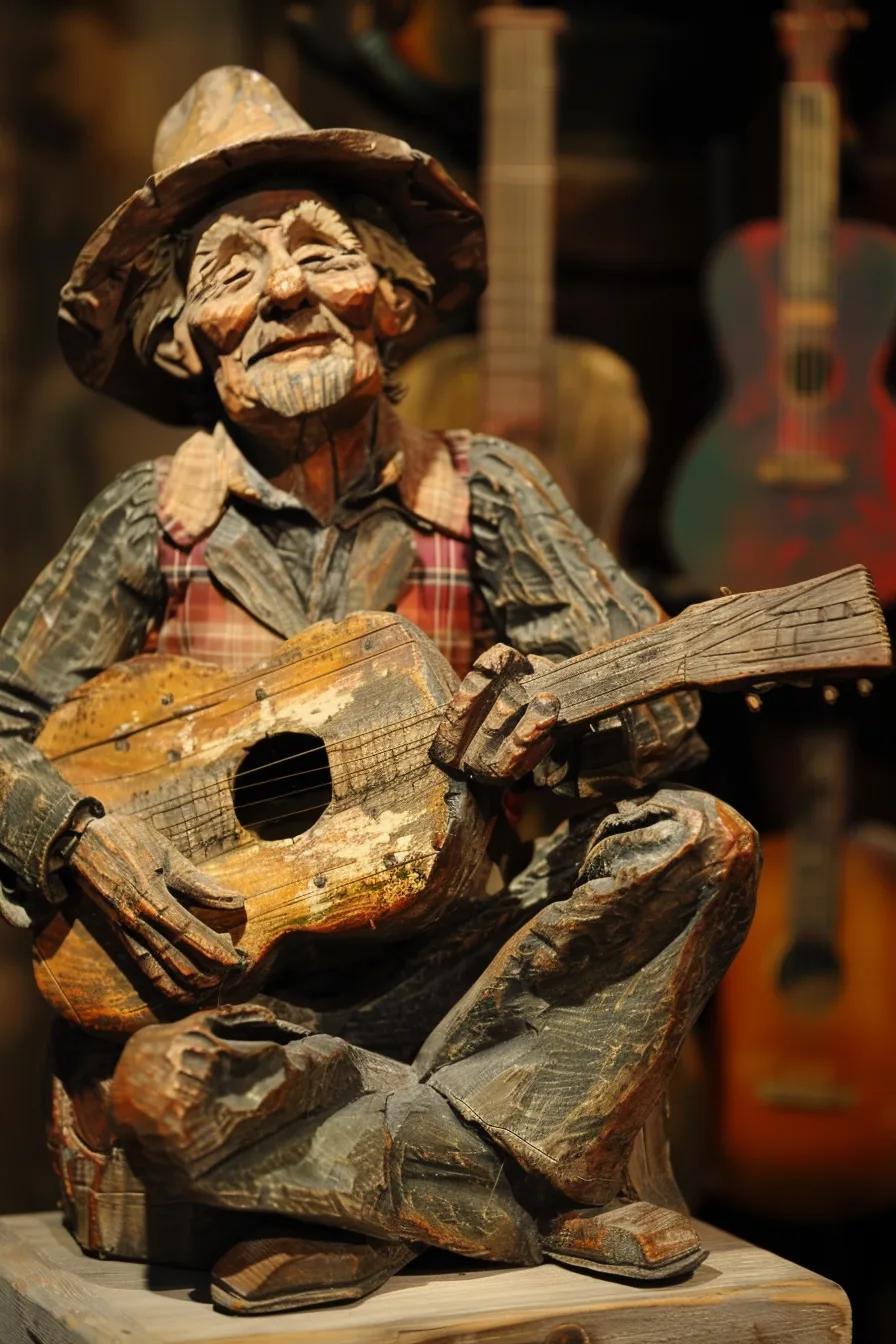
The Cultural Legacy of Appalachian Art: An In-Depth Look
The Cultural Significance of Appalachian Folk Art

Appalachian folk art encompasses a wide array of handmade objects—quilts, pottery, stained glass, woodwork, jewelry, and paintings—that encode community memory, practical skill, and regional identity. This article explains why the cultural significance of Appalachian art matters today, how traditional techniques and motifs transmit stories across generations, and how supporting artisans sustains both economies and heritage. Readers will learn what defines Appalachian folk art, why preservation is essential, how purchases translate into cultural value, and practical ways to experience and care for handmade pieces in homes and collections. The discussion blends cultural analysis, practical guidance for collectors and gifters, and concrete examples of artisan collective models that amplify heritage preservation. By tracing materials, motifs, and social practices, the piece connects historical continuity to modern engagement and offers actionable steps for anyone who wants to support or live with authentic Appalachian crafts.
What Defines Appalachian Folk Art and Its Unique Traditions?
Appalachian folk art is a regional expression of material culture characterized by local materials, vernacular techniques, and motifs that arise from mountain life and intergenerational storytelling. These practices survive because they solve everyday needs—shelter, warmth, food storage—and simultaneously encode memory and identity, producing objects that are both utilitarian and symbolic. Definitions emphasize the handmade, community-centered production and the ways motifs and patterns carry localized meanings tied to family, migration, and landscape. Understanding these defining traits helps collectors and communities recognize authenticity and value in Appalachian crafts.
Appalachian folk art includes several central craft forms and associated techniques, each with distinctive materials and cultural roles. The list below summarizes key characteristics that often appear across forms.
Materials are locally sourced or recycled and chosen for durability and availability.
Motifs and patterns derive from oral histories, family stories, and regional symbolism.
Techniques emphasize hand skills—quilting stitches, wheel-thrown pottery, wood joinery—transmitted across generations.
Function and ornament merge, so many pieces are designed for daily use while carrying narrative meaning.
These characteristics guide the detailed craft descriptions that follow and illustrate why regional specificity matters for cultural preservation.
Which Art Forms and Crafts Are Central to Appalachian Folk Art?
Appalachian quilts are storytelling textiles sewn from cotton, wool, or repurposed cloth and often feature pieced patterns that record family histories and migrations. Quilting techniques such as patchwork, appliqué, and hand quilting demonstrate communal labor and reciprocity, and quilts historically provided warmth as well as social connection through quilting bees. Pottery in Appalachia often uses locally sourced clays and wheel-throwing or hand-building techniques with regional glazing traditions that reflect both function and local aesthetics. Pottery vessels served everyday household needs and carried stylistic markers of place and potter identity. Stained glass and decorative glasswork, while less widespread than textiles and ceramics, incorporate leaded motifs and color choices that reference local flora, religious imagery, or commemorative themes, and they often appear in churches and homes as symbolic focal points. Woodwork and joinery—furniture, utensils, carved motifs—use native species, simple but durable joinery, and motifs carved or inlaid to mark ownership, family, or community craftsmanship. Jewelry and paintings round out the palette of Appalachian folk art; jewelry often uses beads and metals to reflect personal stories, while paintings document landscapes, people, and events in localized visual language.
How Do Appalachian Traditions Shape Handmade Products?
Appalachian traditions shape products through a cycle of oral transmission, resource adaptation, and evolving aesthetics that respond to both necessity and expression. Makers inherit patterns, stitches, and motifs from relatives and neighbors, then adapt forms to available materials—turning scrap cloth into patchwork quilts or local clay into functional pots—so tradition and practicality merge in each object. Storytelling appears in motifs: a quilt block may reference a journey, a carved panel may commemorate a birth, and glaze choices can reflect a valley’s soil and mineral palette. These practices ensure that objects remain meaningful across time: each handmade item is a condensed history that conveys how a community lived and what it valued, linking everyday use with cultural memory.
What Role Does the Appalachian Region Play in Folk Art Identity?
The Appalachian region supplies the geographic, ecological, and historical contours that make its folk art distinct, with mountain topography, climate, and resource communities shaping materials and motifs. Isolation and strong kinship networks promoted local styles and pattern retention, while interactions with settlers, indigenous influences, and later economic shifts introduced hybrid motifs and techniques. The resulting identity is place-based: wood species, clay composition, and textile fibers often reveal the environmental signature of a workshop or household. Recognizing place-based markers helps scholars and collectors trace provenance and understand how landscape and history inform the meaning embedded in objects.
The unique characteristics of the Appalachian region have fostered a distinct cultural heritage, with its isolation and strong community ties shaping the evolution of its folk art.
Documenting Appalachian Culture: Transmission of Heritage
The language, music, folktales, and crafts of the Appalachian people had evolved for decades within the isolated communities, escaping the altering influence of the rest of America.
Documenting Appalachian Culture: The Transmission of Cultural Heritage Information, 2011
Why Is Preserving Appalachian Heritage Through Folk Art Important?
Preserving Appalachian heritage through folk art maintains cultural continuity, supports local economies, and sustains educational practices that transmit skills. Folk art functions as a living archive that documents migration, labor histories, and community values; preserving these objects and the techniques that produced them ensures that those stories remain accessible to future generations. Preservation also supports social cohesion by reinforcing shared identity and offering intergenerational sites of learning where elders teach younger makers. Finally, preservation underwrites economic opportunities—through sales, tourism, and workshops—that enable artisans to sustain livelihoods while keeping techniques active.
Appalachian folk art reflects history and values in concrete ways, and preservation delivers multiple cultural and social benefits that have practical outcomes for communities. The benefits below capture the primary reasons communities and supporters invest in preservation efforts.
Economic resilience through artisan income, gallery sales, and market development.
Cultural continuity via intergenerational teaching and pattern transmission.
Educational value by providing hands-on apprenticeships and community learning.
Identity reinforcement through visible artifacts that anchor community narratives.
Preservation practices include documentation, skill-transfer programs, gallery curation, and community events; these approaches ensure that both objects and the social practices that created them survive. Understanding these benefits leads naturally to questions about the specific techniques that sustain this legacy.
How Does Folk Art Reflect Appalachian History and Social Values?
Folk art encodes migration patterns, labor identities, and mutual aid networks through motifs and production methods, offering a material record of social values like resilience, hospitality, and reciprocity. Quilts, for example, can document journeys and communal events through block names and fabric choices, while carved furniture and painted signs can display family emblems or craft lineage. These objects reveal how communities coped with scarcity, celebrated milestones, and reinforced social bonds. Examining these artifacts provides historians and descendants with tangible evidence of everyday life and the social priorities that shaped it.
What Are the Cultural and Social Benefits of Heritage Preservation?
Heritage preservation yields tangible cultural goods—restored objects, public exhibits, and recorded stories—and intangible goods such as strengthened identity and shared memory across generations. Preservation practices generate tourism and learning opportunities that channel revenue back into communities and create platforms for artisans to teach and sell their work. Additionally, sustained preservation fosters pride and continuity in communities facing economic or demographic change. Together, these benefits form a compelling case for supporting preservation through both policy and consumer choices.
How Do Traditional Crafting Techniques Sustain Appalachian Legacy?
Techniques such as hand quilting, wheel-throwing pottery, stained glass leading, and traditional joinery survive through apprenticeship, workshops, and local teaching events that maintain skill fidelity. These transmission methods combine formal instruction with mentorship and communal practice, which keeps both technique and context intact. Pattern books, oral histories, and workshop curricula complement hands-on teaching by documenting methods and providing reference points for future makers. Maintaining these techniques ensures that authenticity and the stories embedded in processes are not lost when markets or materials shift.
How Does Supporting Local Appalachian Artisans Enhance Cultural Value?
Supporting local Appalachian artisans turns consumer choices into tangible cultural and economic outcomes that sustain craft practices and community heritage. Direct purchases provide income that enables makers to continue practicing and teaching traditional techniques, while community investment—through workshops or donations—helps preserve tools, materials, and teaching spaces. Economic support also builds local pride and resilience, creating feedback loops in which heritage displays attract visitors and buyers, which in turn fund further preservation. Understanding the practical mechanisms by which support translates into value helps consumers make meaningful choices.
Below is a comparative table that outlines common support types, the benefits they deliver, and the community outcomes those benefits generate.
Support TypeBenefitOutcomeDirect purchase of handmade workImmediate income and fair compensation for laborSustained artisan practice and household stabilityWorkshop fees and apprenticeshipsFunding for skills transmission and mentorshipTechnique preservation and new artisan developmentCollective curation and gallery salesMarketing and broader audience accessIncreased visibility and market diversification
Who Are the Artisans Behind Appalachian Folk Art?
Artisans in the Appalachian tradition include a diverse array of makers—potters, quilters, woodworkers, stained-glass artists, jewelers, and painters—many of whom inherit skills through family lines or local apprenticeship. They come from towns and hollows across West Virginia and Kentucky and often balance craft production with other regional livelihoods, creating work that is rooted in place and daily need. Collectives and galleries frequently organize makers to increase market access, and women-owned initiatives are particularly notable for sustaining community ties and creating cooperative structures. Recognizing the human stories behind objects is essential to appreciating the cultural value those objects carry.
How Do Purchases Support Artisan Livelihoods and Communities?
Purchasing handmade objects channels funds directly to makers, enabling payment for materials, time-intensive labor, and investment in tools and workspace. Those sales also allow artisans to offer workshops and mentor apprentices, preserving technique across generations, and they can fund participation in community events that broaden audiences. When buyers choose authentic handmade pieces, they are effectively underwriting both the maker’s household economy and the social infrastructure—studio spaces, teaching programs, and community celebrations—that sustain craft traditions. These economic dynamics highlight why market choices are cultural choices as well.
What Are the Benefits of Artisan Collectives Like Old Mountain Field?
Artisan collectives such as Old Mountain Field Fine Arts & Crafts operate as curated galleries and cooperative platforms that amplify maker visibility and preserve regional heritage. Old Mountain Field is a women-owned artisan collective and gallery located in the historic Matewan Depot Replica in Williamson, West Virginia, with a mission to celebrate Appalachian heritage and uplift local artisans from West Virginia and Kentucky. By curating pottery, stained glass, quilts, jewelry, woodwork, and paintings from over 40 local artisans, collectives provide market access, quality assurance, and community programming that directly support livelihoods and cultural transmission. These collective benefits include shared marketing, organized events, and a trusted storefront where collectors and visitors can encounter authentic Appalachian crafts.
What Makes Handmade Appalachian Crafts Authentic and Meaningful?
Handmade Appalachian crafts differentiate themselves from mass-produced goods through material honesty, maker narratives, and demonstrable technique fidelity, producing objects that convey personal and community meaning. Authenticity is maintained when provenance, maker information, and traditional methods are documented and communicated to buyers, allowing objects to serve as conduits for stories and memory. The aesthetic and tactile qualities of handmade pieces—variations in stitch, subtle glaze irregularities, carved tool marks—signal human authorship and longevity. Understanding these distinctions helps collectors value handmade work not only as decor but as living heritage.
To illustrate how handmade objects differ from industrial reproductions, the short comparison list below outlines key contrasts.
Handmade items show variability and repairability that mass-made goods lack, reflecting longevity and adaptability.
Handmade work typically includes maker provenance and storytelling that deepen emotional value beyond utility.
Materials are often localized and durable, making handmade pieces more sustainable and contextually meaningful.
How Do Handmade Products Differ From Mass-Produced Items?
Handmade products emphasize human labor, local materials, and lineage of technique, while mass-produced items prioritize uniformity and scale, often at the expense of narrative and repairability. A hand-quilted blanket displays stitch marks and fabric histories that a factory blanket cannot replicate, and a wheel-thrown pot bears a potter’s tactile signature in form and glaze. These differences affect longevity—handmade pieces are often repairable and built for decades—and cultural meaning, since ownership connects a person to a maker and a place. Appreciating these distinctions enables collectors to make intentional choices that support cultural preservation.
Why Are Appalachian Crafts Ideal for Gifts and Home Decor?
Appalachian crafts make meaningful gifts and decor because they embed stories, regional identity, and function within attractive, durable objects that invite daily engagement. Quilts warm bodies and narrate family histories; pottery serves meals while reflecting local clay traditions; woodwork brings native species and joinery into domestic interiors. Because each piece carries maker provenance and technique, gifting an Appalachian object is a transfer of story and support rather than mere consumption. These qualities also help integrate folk art into contemporary design contexts where buyers seek authenticity and sustainability.
How Is Authenticity Maintained in Appalachian Folk Art?
Authenticity is maintained through documented provenance, visible technique fidelity, and community-based verification such as gallery curation and collective representation. Buyers should look for maker names, workshop descriptions, and process notes that explain materials and methods; galleries and collectives play a critical role by vetting work and providing context. Community practices—apprenticeships, signature motifs, and oral histories—also keep authenticity alive by ensuring that methods are transmitted intact. Together, these elements allow buyers and institutions to discern and preserve genuinely traditional Appalachian work.
How Do Events and Workshops Promote Appalachian Folk Art and Culture?
Events and workshops create experiential pathways for learning and appreciation that translate interest into sustained support and skill transmission. Hands-on workshops teach techniques like quilting and pottery while situating learners within the stories and social practices that give those techniques meaning. Public events—exhibits, markets, and demonstrations—raise awareness, generate sales, and foster intergenerational exchange between makers and audiences. Through these activities, communities convert cultural knowledge into living practice, ensuring that skills and narratives remain active rather than museum-bound.
Below is an introductory explanation before listing common workshop types and their learning outcomes.
Quilting workshops: Teach patchwork, appliqué, and hand-stitching while fostering community through shared sewing sessions.
Pottery classes: Cover wheel-throwing and glazing basics, enabling participants to understand clay behavior and local material qualities.
Woodworking sessions: Introduce joinery and carving techniques suitable for small furniture or utensils, emphasizing native wood characteristics.
Stained glass and jewelry workshops: Offer leadwork basics or bead and metal techniques, connecting design choices to symbolic motifs.
What Types of Workshops Teach Traditional Appalachian Crafts?
Workshops teaching Appalachian crafts range from one-day introductions to multi-week apprenticeships, addressing quilting stitches, clay preparation and glazing, wood joinery, leaded stained glass basics, and jewelry-making fundamentals. Beginner courses provide working knowledge and appreciation, while longer apprenticeships focus on technique mastery and contextual storytelling. Participants typically gain practical outputs—finished quilts, pots, carved objects—plus an understanding of local materials and the cultural meanings behind patterns and motifs. This combination of hands-on skill and interpretive context enhances both maker competency and cultural transmission.
How Do Community Events Foster Appreciation for Folk Art?
Community events such as gallery exhibits, craft markets, and live demonstrations create visible stages for maker stories and techniques, enabling audiences to experience process and product side by side. Events drive sales and build relationships between artisans and collectors, while also attracting media and tourism interest that amplify cultural visibility. Interactive formats—talks, demonstrations, and participatory booths—encourage attendees to try techniques and ask questions, deepening appreciation and motivating future support. These outcomes reinforce why event programming is a core strategy for sustaining folk art ecosystems.
Why Is Visitor Engagement Vital for Heritage Preservation?
Visitor engagement converts passive interest into active support: attendees who participate in workshops, purchase work, or share stories help fund teaching, preserve tool access, and maintain community spaces. Engaged visitors become advocates who spread knowledge and value, creating new markets and sustaining demand for authentic pieces. Practical steps for visitors include attending events, buying directly from makers or collectives, and documenting stories with consent to support archives. This cycle of engagement, purchase, and advocacy helps heritage remain alive within its originating communities.
What Are the Symbolic Meanings Behind Popular Appalachian Folk Art Forms?
Symbolism in Appalachian folk art communicates family stories, seasonal cycles, religious values, and community narratives through pattern, form, and color. Motifs—such as certain quilt blocks, pottery decoration, or carved motifs—act as visual shorthand for events, identities, or moral lessons, enabling objects to function as narrative tools within households and public spaces. Decoding these symbols clarifies why some patterns recur and how objects are used in gifting and ceremony. The table below maps selected art forms to symbolic attributes and their typical meanings to aid readers and searchers seeking concise answers.
Art FormSymbolic AttributeTypical MeaningQuiltsBlock patterns (e.g., log cabin, star)Family history, home, and guidance or migration routesPotterySurface decoration and vessel formHousehold function, regional clay identity, and ceremonial useWoodwork & Stained GlassCarved motifs and color palettesLocal flora/fauna symbolism, memorialization, and spiritual themes
What Stories Do Appalachian Quilts Tell Through Their Patterns?
Appalachian quilts often use named blocks—such as log cabin, star, and courthouse steps—that can reference home, direction, or community events, turning each quilt into a narrative patchwork of memory. Fabric scraps frequently preserve clothing or household textiles tied to specific people or times, so a quilt can encapsulate familial lineage physically. Quilting bees and collaborative creation also embed social bonds into the final object, making quilts repositories of collective identity. Understanding these narrative layers helps viewers appreciate quilts not only as decorative textiles but as living documents of community history.
How Does Appalachian Pottery Reflect Regional Identity?
Appalachian pottery reveals regional identity through the clay body, forms, and glaze traditions tied to local geology and utilitarian needs; the shapes of jugs, churns, and bowls reflect household practices and the demands of mountain life. Surface treatments—slips, ash glazes, and incised decoration—refer to both functional concerns (food safety, durability) and aesthetic preferences shaped by local taste and resource availability. Pottery forms and marks can therefore signal the maker’s valley or community and carry lineage through recognizable stylistic choices. This link between material, function, and place grounds pottery as an emblem of regional continuity.
What Is the Meaning Behind Appalachian Woodwork and Stained Glass?
Woodwork and stained glass combine practicality with emblematic imagery—carved motifs, inlaid patterns, and color choices often point to local species, seasonal cycles, or commemorative subjects that matter to a community. Simple furniture or carved utensils may bear symbols of family identity or be made from trees significant to a locale, while stained glass panels use color and iconography to mark spiritual or communal narratives within churches and public spaces. These crafts thus merge utility with symbolic language, reinforcing community values each time they are used or viewed.
How Can You Experience and Support Appalachian Folk Art Today?
Experiencing and supporting Appalachian folk art today involves finding authentic venues, engaging directly with artisans, and practicing responsible care and documentation for objects. Authentic pieces are available through local galleries, artisan collectives, and curated shows; verifying maker provenance, asking about materials and technique, and learning the story behind an item help ensure authenticity. Practical support includes attending workshops, buying directly from makers or vetted collectives, and sharing stories responsibly to amplify artisan voices without appropriating content. These steps transform interest into meaningful preservation and economic support.
Where Can You Find Authentic Appalachian Crafts and Galleries?
Authentic Appalachian crafts are often available in regional galleries, artisan collectives, and curated exhibitions that document maker provenance and techniques; these venues frequently provide context about materials and community origins. When verifying authenticity, ask about maker names, workshop processes, and whether works are handmade versus reproduced; provenance helps preserve cultural meaning and ensures buyers support genuine artisans. One example of a venue that curates and sells authentic Appalachian work is Old Mountain Field Fine Arts & Crafts, a women-owned artisan collective and gallery located in the historic Matewan Depot Replica in Williamson, West Virginia, that represents pottery, stained glass, quilts, jewelry, woodwork, and paintings by local makers. Knowing where to find vetted work makes it easier to support living traditions directly.
How Can You Connect With Appalachian Artisans Online and Locally?
Connecting with artisans involves respectful outreach: inquire about maker background, request process information, and ask permission before sharing images or stories; direct engagement supports provenance and learning. Locally, attend markets, gallery openings, and workshops to meet makers in person; online, seek gallery pages and collective profiles that present maker bios and process descriptions to establish authenticity. When purchasing, request care instructions and documentation to maintain the object’s value and history. These steps strengthen relationships between collectors and artisans, creating feedback loops that support continued practice.
What Are the Best Ways to Preserve and Share Appalachian Folk Art?
Preservation combines material-specific care with ethical storytelling: textiles need gentle cleaning and climate control, ceramics require careful handling and stable shelving, woods benefit from humidity moderation and periodic conservation, and glass should be protected from direct impact and harsh sunlight. Document maker information, origin stories, and any repair history to maintain provenance and facilitate later scholarship or conservation. Sharing should prioritize maker consent and context, centering artisan voices in interpretive materials. Together, care and responsible sharing help objects remain meaningful and traceable for future generations.
The definition and geographical boundaries of the Appalachian region are complex and have been subject to various interpretations, yet a core identity is observable through social processes and regional naming conventions.
Appalachian Identity: Geography and Social Processes
Definitions of the Appalachian region vary considerably. In this paper we develop a theoretically grounded and empirically based understanding of Appalachia by focusing on the social process of regional identity. Our measure of Appalachian identity is based on the relative number of businesses in a city that include the word "Appalachian" in their name. From this analysis, we find that the core area of Appalachian identity lies in Eastern Tennessee, Western North Carolina, Eastern Kentucky, Southern West Virginia, and Southwestern Virginia. We also explore the predictors of Appalachian identity and determine that poverty level, percent Black, elevation, and population density predict Appalachian identity. This work should be of interest to social scientists concerned with the study of regional identity—both inside and outside of Appalachia.
A geography of Appalachian identity, CA Cooper, 2011
Frequently Asked Questions
What are the key challenges facing Appalachian artisans today?
Appalachian artisans face several challenges, including economic pressures, competition from mass-produced goods, and limited access to markets. Many artisans struggle to sustain their livelihoods due to the high costs of materials and the time-intensive nature of handmade crafts. Additionally, the decline of traditional skills among younger generations poses a risk to the preservation of these art forms. Efforts to promote local crafts and increase consumer awareness about the value of handmade goods are essential for supporting these artisans and ensuring the continuation of their cultural heritage.
How can individuals get involved in supporting Appalachian folk art?
Individuals can support Appalachian folk art by purchasing handmade items directly from artisans or through local galleries and collectives. Attending workshops and community events not only helps artisans financially but also fosters a deeper understanding of the cultural significance of their work. Volunteering time or resources to local artisan groups can also make a difference. Additionally, sharing stories and promoting the work of Appalachian artisans on social media can help raise awareness and appreciation for their crafts, encouraging more people to engage with and support this rich cultural heritage.
What role do festivals play in promoting Appalachian folk art?
Festivals play a crucial role in promoting Appalachian folk art by providing a platform for artisans to showcase their work and connect with a broader audience. These events often feature demonstrations, workshops, and performances that highlight traditional crafts and cultural practices. Festivals also foster community engagement, allowing attendees to learn about the history and significance of various art forms. By attracting visitors, festivals can boost local economies and create opportunities for artisans to sell their work, ensuring the sustainability of their craft and the preservation of cultural heritage.
How does Appalachian folk art influence contemporary design trends?
Appalachian folk art influences contemporary design trends by emphasizing authenticity, sustainability, and craftsmanship. Designers often draw inspiration from traditional motifs, materials, and techniques, integrating them into modern aesthetics. This fusion creates unique pieces that resonate with consumers seeking meaningful and culturally rich decor. The growing interest in handmade and artisanal products reflects a broader movement towards valuing individuality and heritage in design. By incorporating elements of Appalachian folk art, contemporary designers can celebrate regional identity while appealing to a market that appreciates the stories behind the objects they choose to bring into their homes.
What educational resources are available for learning about Appalachian folk art?
Numerous educational resources are available for those interested in learning about Appalachian folk art. Local museums and cultural centers often offer workshops, lectures, and exhibitions that explore the history and techniques of various crafts. Online platforms also provide access to instructional videos, articles, and virtual workshops led by experienced artisans. Additionally, books and documentaries focused on Appalachian culture and crafts can deepen understanding and appreciation. Engaging with these resources can help individuals connect with the rich traditions of Appalachian folk art and inspire them to participate in its preservation.
How can storytelling enhance the appreciation of Appalachian folk art?
Storytelling enhances the appreciation of Appalachian folk art by providing context and meaning to the objects created. Each piece often carries a narrative that reflects the maker's experiences, cultural heritage, and community values. By sharing these stories, artisans can connect with audiences on a personal level, fostering a deeper emotional connection to the art. Storytelling also serves to educate others about the significance of specific motifs, techniques, and materials, enriching the viewer's understanding and appreciation of the craft. This narrative aspect transforms handmade items from mere objects into vessels of history and identity.
