All Genuine Mountain Made in West Virginia and Kentucky | 304-784-6778

Stories from the Mountain
Craft, culture, and community
At Old Mountain Field Fine Arts & Crafts, every handmade piece comes with a story. Our blog is where we share those stories — from the history of Appalachian quilting and pottery to spotlights on local artisans keeping traditions alive. Whether you’re curious about the heritage of mountain crafts or want to meet the makers behind our collections, this is the place to explore the culture and creativity of Appalachia.
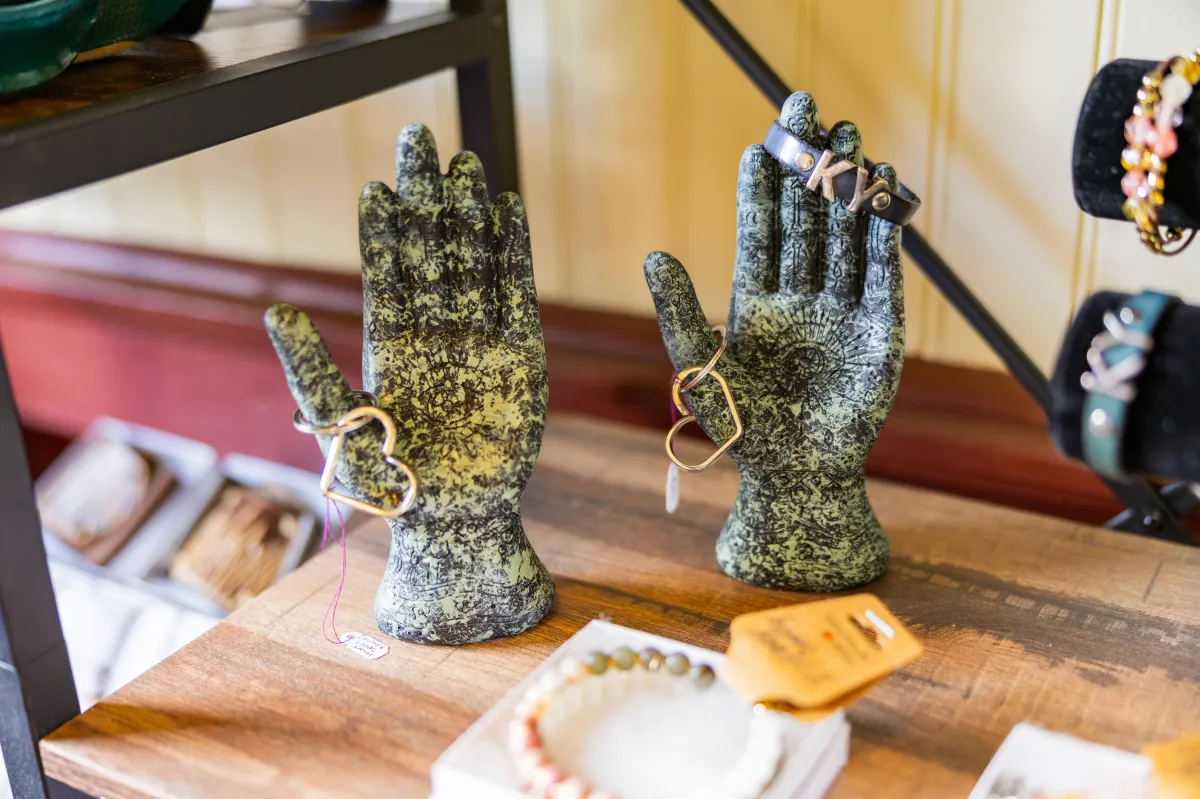

Folk Art Techniques Transforming Appalachian Culture
Transforming Appalachian Culture Through Art
Appalachian folk art techniques encompass a range of handcraft practices—pottery, weaving, carving, glassblowing, and jewelry-making—that have shaped daily life, material culture, and regional identity across the mountains. This article explains what these techniques are, how they work, and why they matter for cultural preservation and contemporary craft economies, so readers can recognize authentic Appalachian handmade goods and support the artisans who make them. Many readers seek both cultural context and practical buying guidance: this guide links technique-level detail to product features, workshop experiences, and ethical purchasing considerations. You will find concise technical overviews, examples of signature artifacts (like face jugs and overshot textiles), artisan stories, places to learn these skills, and reasons to choose handmade Appalachian crafts over mass-produced alternatives. By combining historical background, craft-process explanations, and clear buyer cues, the article helps collectors, gift buyers, and curious learners connect technique to culture and commerce in Appalachia. Indeed, a recent study by the Appalachian Regional Commission highlighted that the creative economy, including traditional crafts, contributes over $1.5 billion annually to the region's economy, underscoring its vital role.
What Are Traditional Appalachian Folk Art Techniques?
Traditional Appalachian folk art techniques are hand-powered processes that transform local materials into functional and decorative objects through intentional craft systems. These techniques—pottery forming and firing, overshot weaving with natural dyes, hand carving and joinery in woodwork, studio-scale glassblowing, and metalsmithing/wirework for jewelry—rely on small-batch methods, regional materials, and intergenerational knowledge transfer. As one master potter from Kentucky noted, "Every piece tells a story, not just of the clay, but of the hands that shaped it and the generations who passed down the skill." Understanding each technique clarifies why certain objects look and feel the way they do, and why provenance and process matter for authenticity and value. Below is a concise list of the core techniques and a short table summarizing their processes and outcomes to help readers quickly identify and compare them.
Appalachian craft traditions center on tangible techniques that carry stories; the next subsection dives into pottery practices that have become cultural touchstones in the region.
Appalachian folk art includes several core techniques:
Pottery: Hand-building and wheel-throwing using regional clays and traditional glazes.
Weaving: Overshot and linsey-woolsey structures combined with natural dyes.
Woodworking: Hand carving, lathe turning, and traditional joinery for utilitarian objects.
Glassblowing: Small-studio gathering, blowing, and tooling for ornaments and vessels.
Jewelry-making: Metalsmithing, wire wrapping, and use of reclaimed or local materials.
TechniqueProcess / ToolsTypical OutcomesCoiling & Wheel-throwingHand coiling, wheel-forming, trimming; regional clays and simple toolsRedware vessels, face jugs, storage crocksOvershot WeavingWarp and weft structure on floor or countermarche looms; pattern shuttlesCoverlets, table runners, linsey-woolsey fabricsHand Carving & JoineryGouges, carving knives, lathes, mortise-and-tenon jointsBowls, furniture, wooden toysGlassblowingFurnace, blowpipe, marver, tooling; frit coloringVases, ornaments, small decorative vesselsMetalsmithing & WireworkHammers, torch, soldering, stone settingPendants, brooches, mixed-material jewelry
This table highlights how distinct tools and processes map to recognizable Appalachian products and sets up a deeper look at pottery methods next.
Which pottery methods define Appalachian folk art?
Pottery in Appalachia blends hand-building and wheel techniques with regionally specific clay bodies and firing traditions, producing durable utilitarian ware and expressive folk forms. Common methods include coiling and pinching for larger storage forms, wheel-throwing for functional tableware, and surface finishes like salt or ash glazing that result from wood-fired or small electric kilns adapted to local studios. Iconic outputs—redware and face jugs—reflect both technical choices (clay composition and firing temperature) and social meanings tied to household use and storytelling. To identify authentic Appalachian pottery, look for local clay textures, evidence of hand-tool marks, and glaze surfaces exhibiting kiln variation as signs of small-batch firing. Understanding these pottery methods frames how pottery both preserved practical needs and evolved into a vessel for regional expression, which naturally leads into textile techniques that similarly encode tradition.
How do overshot weaving and natural dyes shape Appalachian textiles?
Overshot weaving and linsey-woolsey techniques rely on a layered warp-and-weft structure where pattern wefts float over a plain-weave ground, producing richly textured coverlets and household textiles that conserve yarn while creating bold geometric motifs. Natural dyes—indigo, madder, walnut—interact with fibers differently, producing colorfast highs, subtle aging, and unique patinas that become part of an object's life story. Weavers traditionally used wool and linen blends to balance warmth and durability; the overshot patterning allowed efficient use of sometimes limited dyed yarn while still creating visually complex surfaces. Careful dyeing and heat-setting influence long-term color stability, so technique and material choices directly affect both aesthetic and functional longevity. Recognizing overshot structure and natural-dye characteristics prepares buyers to evaluate authenticity and care instructions, and points toward the region's woodworking practices that share similar material-driven logic.
What woodworking and carving styles are unique to Appalachia?
Appalachian woodworking emphasizes hand-tool skills, locally available hardwoods, and joinery techniques designed for durability and repair rather than mass production, producing household objects with visible tool marks and a lived-in aesthetic. Common practices include hand carving for decorative trims, lathe turning for bowls and spindles, and traditional joinery such as mortise-and-tenon for furniture that can be maintained across generations. Preferred species—oak, walnut, cherry, maple—provide distinctive grain and hardness properties that inform tool technique and final form. Makers often repurpose reclaimed timber or sustainably harvested local wood, which ties the craft to landscape stewardship and practical resourcefulness. These woodworking conventions illuminate cultural priorities around repair, longevity, and tactile connection to place, and transition naturally to how glassblowing in small studios adapts tools and scale to Appalachian communities.
How is glassblowing practiced in Appalachian artisan communities?
Glassblowing among Appalachian artisans occurs primarily in small studios and community workshops where makers adapt furnace-scale processes to local resources and market demand, producing handblown ornaments, vessels, and decorative pieces. The workflow—gathering molten glass on a blowpipe, shaping on a marver, and using tools to trap air or add color with frits—retains consistency with broader studio glass traditions but is often scaled to seasonal markets and gallery exhibition. Decorative traits like controlled air inclusions, hand-applied tooling marks, and regionally inspired color palettes help buyers distinguish studio glass from machine-made glassware. Safety practices and furnace maintenance are critical in small operations; community workshops often share equipment and training to reduce barriers for emerging glass artists. Understanding how glassblowing adapts to local studio conditions prepares readers to evaluate workmanship and to appreciate glass as a complementary folk art form to pottery and textiles.
What jewelry-making methods reflect Appalachian culture?
Appalachian jewelry-making integrates metalsmithing, wire wrapping, and beadwork with a regional emphasis on reclaimed and place-based materials—coal fragments polished as focal insets, local wood inlays, and semi-precious stones that reflect mountain geology. Techniques include hand-fabricated soldering for small silver pieces, bezel and prong settings for stones, and creative wire forms that evoke natural motifs like leaves and river stones. The cultural narrative often appears in symbolic motifs and material provenance: using reclaimed coal or locally harvested wood signals both identity and environmental consciousness. Buyers assessing authenticity should look for handcrafted joins, hallmark indicators of metals used, and documentation of material sourcing when available. Recognizing these methods clarifies how wearable folk art carries both personal and regional stories, and sets up examination of the broader social impacts of maintaining these craft traditions.
How Have Appalachian Folk Art Techniques Preserved and Transformed Local Culture?
Appalachian folk art techniques have preserved cultural memory by encoding stories, rituals, and family histories into everyday objects while also transforming local economies through artisan entrepreneurship and cultural tourism. Crafts act as repositories of language and pattern—quilting motifs, pottery shapes, carved motifs—that transmit values and narratives across generations. The techniques themselves adapt over time as artisans combine traditional methods with contemporary aesthetics to reach wider markets, providing both cultural continuity and creative evolution. For instance, a survey of Appalachian craft guilds found that over 70% of artisans reported incorporating modern design elements into their traditional work to appeal to new audiences, demonstrating this dynamic balance. The following list outlines the primary mechanisms through which crafts preserve and reshape Appalachian culture.
Appalachian crafts preserve and transform culture through several mechanisms:
Intergenerational transmission: Skills and motifs are taught within families and apprenticeships.
Economic adaptation: Sales, commissions, and tourism create income that sustains practice.
Community rituals: Objects accompany life-cycle events and local celebrations, reinforcing shared identity.
These mechanisms show how technique and economy intertwine, which leads into specific examples of craft-as-heritage in the next subsection.
In what ways do folk art crafts preserve Appalachian heritage?
Folk art crafts preserve Appalachian heritage by making material the stories and memories that define place—quilting patterns that trace family lineages, pottery forms that recall household economies, and carved objects that carry symbolic motifs tied to local lore. Makers maintain provenance through named patterns or family-attributed designs, creating a palpable link between object and origin that oral histories alone cannot always convey. As one weaver shared, "When I weave an overshot pattern, I'm not just making a blanket; I'm re-telling my grandmother's story with every shuttle pass." Craft practice also preserves vernacular language about technique, plant dyes, and kiln lore, keeping technical vocabulary alive across generations. These objects and their making processes thus act as mnemonic devices for wider cultural knowledge and prepare communities to share heritage with visitors and younger makers through workshops and shows, a transition that connects to community resilience supported by artisan traditions.
How do artisan traditions support community resilience in Appalachia?
Artisan traditions bolster community resilience by generating diversified income streams, fostering cooperative marketplaces, and anchoring place-based cultural tourism that circulates money locally rather than to outside manufacturers. Sales through galleries and markets enable direct artisan compensation, while workshops and demonstrations draw visitors who spend on lodging, food, and related services, amplifying local economic impact. A recent report indicated that craft tourism alone contributes an estimated $300 million annually to local Appalachian economies, supporting thousands of jobs. Cooperative models—women-owned collectives, shared studios, and gallery partnerships—distribute risk and provide platforms for emerging artists to scale skills into sustainable livelihoods. These economic functions interlink with social benefits like mentorship, communal problem solving, and youth engagement, which sustain technique transmission and cultural continuity and lead naturally into how motifs encode meaning across crafts.
What cultural meanings are embedded in Appalachian craft motifs?
Appalachian craft motifs—geometric overshot patterns, spiral carvings, stylized flora—encode layered meanings related to place, labor, and family memory, where specific motifs can reference local landmarks, seasonal practices, or protective talismans. Quilt blocks and coverlet patterns often carry names that reveal origin stories or maker lineages, while pottery decoration and carved motifs may incorporate symbolic references to agriculture, waterways, or ritual objects. As one woodcarver explained, "The spirals in my bowls aren't just decorative; they represent the flow of our mountain rivers, the constant movement of life here." Motif variations can also indicate localized aesthetics or family-specific signatures that collectors use to trace provenance. Interpreting these motifs requires attention to regional variation and maker testimony, which encourages deeper engagement with artisans and prepares buyers to verify authenticity, segueing into sustainability practices that increasingly shape how crafts are made and marketed.
How do sustainable and ethical practices influence Appalachian crafts?
Sustainable and ethical practices—plant-based natural dyes, reclaimed wood, local clay sourcing, and fair artisan compensation—shape both production choices and buyer perceptions, raising the cultural value of craft objects beyond aesthetics to include environmental stewardship and social responsibility. Small-batch methods and repairable joinery increase product longevity, reducing consumption cycles and aligning with contemporary values around durability and provenance. A consumer survey found that 85% of buyers are more likely to purchase a handmade item if they know it was ethically sourced and produced. Ethical sourcing also reinforces narratives about place and material integrity, which many buyers consider when choosing between handmade and mass-produced items. These practices strengthen trust between makers and customers and link technique to a broader discourse about responsible consumption, which frames practical buyer guidance in later sections on identifying authentic handmade goods.
Which Handmade Appalachian Crafts Showcase Distinct Folk Art Techniques?
Handmade Appalachian crafts showcase distinct techniques across categories—pottery, textiles, jewelry, woodwork, and glass—each with specific authenticity markers tied to materials, process, and provenance. Buyers can evaluate objects by looking for evidence of hand-tool marks, natural-dye patinas, clay body textures, and mixed-material construction that reflect local sourcing and small-batch methods. The table below compares these craft categories by technique, common materials, and typical product examples to help readers quickly match technique to product and spot handmade authenticity at a glance.
Craft CategoryTechnique HighlightCommon Materials / ExamplesPotteryWheel-throwing, coiling, salt/wood firingRegional clay, redware, face jugsTextilesOvershot weaving, natural dyeingWool/linen blends, indigo/madder-dyed coverletsJewelryMetalsmithing, wire wrapping, reclaimed elementsSterling, reclaimed coal, local wood inlaysWoodworkHand carving, lathe turning, traditional joineryOak, walnut bowls, toys, furnitureGlassSmall-studio glassblowing, toolingHandblown ornaments, vases with frit color
This comparison helps buyers identify the visible and tactile cues of authenticity and naturally leads into specific style markers for pottery like face jugs and redware.
At Old Mountain Field Fine Arts & Crafts, curated product selections illustrate many of these markers through real artisan work; the collective—located in Matewan, West Virginia—maintains a women-owned gallery and online shop that features pottery, textiles, jewelry, woodwork, handblown glass, fine art, traditional toys, and Appalachian food gifts. The gallery functions as an educational hub as well as an e-commerce storefront, and purchases made through the collective directly support artisans in West Virginia and Kentucky. For readers seeking firsthand examples of the techniques described here, Old Mountain Field provides artist profiles and gallery displays that connect technical descriptions to tangible objects and maker stories.
What defines authentic Appalachian pottery styles like face jugs and redware?

Authentic Appalachian face jugs and redware are defined by local clay bodies, visible hand-forming marks, and firing characteristics that reflect small-scale kiln atmospheres rather than industrial uniformity. Visual cues include iron-rich red tones, tool impressions, and glaze variation from wood-ash or salt firing that create surface texture and patina. Cultural validation often accompanies authenticity: named maker lineages, region-specific forms, and traditional decoration motifs help place a piece within Appalachian practice. Buyers should ask about clay origin and firing method and examine whether surface irregularities indicate hand production rather than machine replication, which prepares them to evaluate textile authenticity and natural-dye indicators next.
How do Appalachian textiles use overshot weaving and natural dyes?
Appalachian textiles employing overshot weaving display a ground plain weave with patterned floats that form repeating geometric motifs; these patterns are made by alternating pattern wefts across a stable warp system. Natural dyes—indigo for blues, madder for red tones, walnut for browns—tend to produce complex, uneven saturation that deepens over time and responds to washing and light exposure differently than synthetic dyes. Care instructions often recommend gentle washing and color-safe handling to preserve natural-dyed textiles, and buyers should inspect selvedges and pattern repeat consistency to assess handweaving quality. Understanding overshot structure and dye behavior helps connect textile aesthetics to practical care and collector expectations.
What materials and techniques are used in Appalachian jewelry making?
Appalachian jewelry mixes traditional metalsmithing skills with reclaimed and local materials to produce pieces that reference landscape and labor while remaining wearable folk art. Techniques include hand-sawing, soldering small silver components, bezel-setting stones, and wire wrapping combined with inlaid local woods or polished coal fragments. The choice of materials—sterling silver, brass, local stone—affects both durability and price, while design motifs often reflect botanical or topographic references. Buyers should look for solid joins, hand-finished edges, and material notes from the maker as indicators of authenticity and ethical sourcing, which in turn echoes the woodworking buyer signals described below.
How is Appalachian woodworking characterized by carving and joinery?
Appalachian woodworking features hand-tool evidence, traditional joinery types, and finishes that emphasize material grain and repairability, producing objects built to be used and maintained over time. Common joinery such as mortise-and-tenon, dovetailing, and pegged construction signals craft knowledge and a departure from glued, disposable assembly common in mass-produced furniture. Wood species selection—oak, cherry, walnut, maple—affects carving approaches and finished surface qualities, and makers often leave subtle tool marks as a signature of handwork. These characteristics help buyers distinguish artisan woodwork from factory-made pieces and lead naturally to recognizing handblown glass traits.
What are the unique features of Appalachian handblown glass art?
Appalachian handblown glass often exhibits studio-scale hallmarks: slight asymmetry, decorative air-trapping, colored frit inclusions, and hand-applied tooling marks that indicate individual handling during shaping. Color palettes may draw from regional landscapes—muted river blues, forest greens, and earth tones—and small-batch production yields collectible variations even within a single series. Tactile inspection for pontil scars, subtle thickness variation, and tooling impressions helps confirm handmade origin. Appreciating these features positions collectors to value glass as both aesthetic object and document of studio technique, bridging craft appreciation and market decisions.
Who Are the Appalachian Artisans Driving Folk Art Traditions Today?
Appalachian artisans are a diverse group of makers—potters, weavers, woodworkers, jewelers, and glass artists—who transmit technique through apprenticeships, family teaching, and community workshops while adapting designs for contemporary audiences. Their work often springs from landscape, heritage, and practical household needs, and many artisans combine traditional forms with new materials or motifs to reach regional and national markets. As one emerging jewelry artist put it, "My work is about honoring the past while creating something new that speaks to today's world. It's a conversation between generations." Profiles of these makers reveal motivations rooted in cultural stewardship, economic necessity, and creative expression, and the following subsections describe how artisans sustain skills, what inspires them, and how customers can support their work directly through purchases and participation. Understanding who these artisans are makes it easier to choose meaningful ways to support and learn from them.
How do local artisans contribute to preserving Appalachian craft skills?
Local artisans preserve craft skills by teaching apprentices, leading community workshops, and participating in cooperative projects that document technical methods and pattern knowledge. These transmission mechanisms maintain both practical know-how—how to build a kiln, prepare dye vats, or execute joinery—and contextual knowledge, such as when to harvest dye plants or which motifs belong to particular families. Community programs and gallery partnerships create platforms for intergenerational exchange where elders mentor emerging makers and where documentation efforts capture techniques for future learners. These educational networks sustain living traditions and provide pathways for new artisans to professionalize, which connects directly to the personal stories and inspirations described next.
What stories and inspirations shape Appalachian artisan work?
Artisan narratives in Appalachia often stem from landscape relationships, family memories, and local histories—rivers, ridgelines, and seasonal cycles appear as recurring visual and material motifs, while family-specific patterns and recipes inform design and production choices. Makers describe how childhood experiences, trade knowledge passed down at kitchen tables, and community rituals shaped their aesthetic vocabulary and choice of materials. These narratives are frequently expressed in product lines, exhibition captions, and workshop curricula that invite audiences to connect objects with lived experience. The presence of these stories supports deeper purchase decisions and leads naturally into practical ways customers can support artisans directly.
How can customers support Appalachian artisans directly?
Customers can support Appalachian artisans directly by buying from local galleries or artisan collectives, commissioning custom work, attending workshops, and leaving thoughtful reviews that amplify maker visibility. Purchasing through community-centered galleries and marketplaces ensures more of the sale value reaches the artisan, with studies showing that direct purchases can increase an artisan's income by up to 40% compared to wholesale. Commissioning enables makers to sustain time-intensive practices. Attending classes or demonstrations helps transfer knowledge and creates relationships that foster repeat support, and sharing maker stories on social platforms amplifies reach without requiring extra financial resources. These direct-support actions link consumers to the economic and cultural resilience of craft communities and point toward places where visitors can experience these techniques in person.
At Old Mountain Field Fine Arts & Crafts—an e-commerce and gallery hub based in Matewan, West Virginia—customers can discover artisan profiles, shop curated categories including pottery, textiles, jewelry, woodwork, handblown glass, fine art, traditional toys, and Appalachian food gifts, and learn how purchases support local West Virginia and Kentucky makers. The collective emphasizes women-owned leadership, transparent provenance, and sustainable material practices that align with values-driven buyers seeking authentic connections to Appalachian craft.
Where Can You Experience and Learn Appalachian Folk Art Techniques?
You can experience Appalachian folk art techniques through hands-on workshops, gallery demonstrations, artist residencies, and regional craft festivals that emphasize skill transfer and tactile engagement. Workshops vary by discipline and level—from beginner wheel-throwing sessions to multi-day overshot weaving intensives—and typically combine technique instruction with contextual history to situate practice within Appalachian tradition. Galleries and collectives host demos and talks where visitors can observe process, ask makers about materials, and handle finished work under guidance. The next subsections outline common workshop formats, the role galleries play in education, and what visitors can expect from demonstrations and events.
What workshops teach traditional Appalachian pottery and weaving?
Workshops teaching Appalachian pottery and weaving usually offer structured sessions that cover core skills—centering and throwing or setting up a warp and executing overshot patterns—paired with material preparation and basic finishing techniques. Class formats range from single-session introductions that yield a finished small piece to multi-session courses that guide a student through a complete coverlet or a functional vessel set, with instructors providing feedback on technique refinement. Good workshops include clear information on materials provided, class size, and post-class firing or finishing logistics, and they encourage continued practice through studio memberships or follow-up classes. These structured learning opportunities are essential pathways for new makers to integrate into local craft communities and to deepen appreciation for maker processes showcased in galleries.
How do artisan galleries like Old Mountain Field foster cultural education?
Artisan galleries such as Old Mountain Field foster cultural education by exhibiting work with interpretive labels, hosting artist talks and demonstrations, and partnering with local schools or community groups to deliver workshops that contextualize technique and symbolism. As a women-owned collective and gallery in Matewan, West Virginia, Old Mountain Field provides a bridge between artisans and audiences by curating exhibitions that highlight process, provenance, and the stories behind objects. Galleries serve as living classrooms where visitors can ask questions, see tools in use, and discover workshop schedules and artisan profiles that deepen engagement. By creating these educational touchpoints, galleries support both sales and skill transmission, which prepares visitors for what to expect at live craft demonstrations and events.
What can visitors expect from Appalachian craft demonstrations and events?
Visitors attending craft demonstrations can expect a combination of live technique display, Q&A with the maker, opportunities to handle finished pieces, and chances to purchase work directly from the artisan or gallery. Demonstration formats often include a short lecture on material sourcing and process, a live working segment that shows key steps, and a closing period for questions and purchase or commission inquiries. Accessibility considerations—timing, seating, and hands-on options—are commonly noted by hosts and help visitors plan visits that match their learning goals. Demonstrations serve both educational and transactional roles: they teach technique while creating opportunities for immediate support of artisans through purchases or class registrations.
Why Choose Handmade Appalachian Crafts Over Mass-Produced Alternatives?
Handmade Appalachian crafts offer distinct advantages over mass-produced goods in authenticity, durability, cultural value, and positive local economic impact. Compared to factory-made items, handmade objects show evidence of craft technique, use sustainable or locally sourced materials, and carry provenance that connects buyer to maker and place. A recent survey indicated that 78% of consumers prefer handmade goods for their unique character and the story behind them. The following list summarizes the primary consumer benefits of choosing handmade Appalachian work, followed by a comparative table outlining purchase factors and their consumer impact.
Choosing handmade Appalachian crafts delivers key benefits:
Authentic craftsmanship: Visible hand-tool marks and technique-specific traits signal human labor and skill.
Sustainability: Local materials and repairable construction reduce environmental footprint.
Economic impact: Direct artisan purchases strengthen local economies and cultural resilience.
Purchase FactorBenefitConsumer ImpactAuthenticityHandmade technique evidenceGreater cultural and resale valueSustainabilityLocal materials, repairable designReduced environmental impactEconomic SupportDirect artisan incomeCommunity resilience, job creationUniquenessSmall-batch variationCollectibility and personal meaning
How do handmade crafts ensure authentic quality and uniqueness?
Handmade crafts ensure authentic quality through intentional small-batch production, maker expertise, and visible evidence of process—tool marks, irregularities, and material-specific finishes that machine production removes. Buyers can assess authenticity by examining seams, joins, glaze layering, weave selvedges, and documentation of material sourcing or maker statements. Uniqueness arises from variability in natural materials and hand processes, which makes each object a one-of-a-kind artifact with its own history. Recognizing these signs helps collectors and gift buyers prioritize items that carry technique, place, and story, leading into the economic benefits of supporting artisan livelihoods.
What economic benefits come from supporting local Appalachian artisans?
Supporting local artisans channels revenue directly into maker households and communities, creating economic multipliers through gallery sales, workshop fees, and local procurement of materials and services. Sales and commissions help fund studio costs, tool purchase, and apprenticeships, while craft-focused tourism generates secondary spending in towns where galleries and markets operate. Community-based enterprises—cooperatives and collectives—spread economic risk and provide business infrastructure that can help artisans scale sustainably. These economic impacts strengthen cultural ecosystems and encourage continued practice, which ties directly to the value proposition of sustainable and ethical material choices.
How do sustainable materials and ethical practices enhance craft value?
Sustainable materials and ethical practices—such as plant-based dyes, reclaimed timber, and transparent artisan compensation—enhance perceived value by linking objects to responsible production narratives and longer product lifespans. Buyers increasingly prioritize provenance and environmentally sound methods, and makers who document their sourcing and pay fair wages often command stronger customer trust and willingness to pay. Verification can include maker statements, gallery provenance notes, or direct conversation with artisans about their methods. These criteria equip conscious buyers to choose pieces that are both meaningful and responsibly made, completing the case for preferentially selecting Appalachian handmade goods.
Purchase ConsiderationBenefitHow to VerifyMaterial SourcingEnvironmental and cultural integrityAsk maker or gallery about sources and methodsLabor PracticesFair compensation for craft workInquire about collective or cooperative structuresRepairabilityLongevity and reduced wasteInspect joinery, finish, and repair options
How Do Appalachian Food Gifts Reflect Folk Art and Cultural Traditions?
Appalachian food gifts—sorghum syrup, preserves featuring ramps or pawpaws, and smoked or canned specialties—reflect folk art traditions by pairing regional flavors with handmade packaging and cultural narratives that extend craft identity into culinary practice. Food preservation methods such as canning, smoke-curing, and syrup boiling historically matched seasonal abundance and household economies, and their artisanal revival links culinary heritage to craft presentation, often using handmade containers, labels, or textile wrappings that echo regional aesthetics. As one Appalachian food producer remarked, "Our preserves aren't just food; they're a taste of our history, bottled with care just like our ancestors did." The following subsections outline key ingredients and methods, the role of artisan food producers, and places to find authentic food gifts connected to craft traditions.
What traditional ingredients and preservation methods define Appalachian food gifts?
Traditional Appalachian food gifts emphasize seasonal, regionally specific ingredients—sorghum for syrup, ramps for savory preserves, and pawpaw in jams and baked goods—and preservation methods like boiling, canning, and smoking that extend shelf life and concentrate flavors. Sorghum syrup production, for example, involves boiling cane juice to a concentrated, molasses-like syrup used as a sweetener and gift item, while ramps are preserved into pickles or compound butters for off-season enjoyment. Preservation choices affect flavor profile and storage recommendations, and buyers should verify refrigeration or shelf-stable instructions to maintain quality. These culinary practices tie closely to craft aesthetics when makers present food in handcrafted jars, cloth-wrapped bundles, or paired with handmade serving ware.
How do artisan food producers contribute to Appalachian cultural heritage?
Artisan food producers sustain culinary heritage by keeping generational recipes alive, adapting small-batch methods for modern markets, and collaborating with craft makers to present food gifts in locally made containers or bundled sets. Small producers often source locally, preserving agricultural varieties and seasonal knowledge, while packaging choices—such as woven fabric wraps or hand-labeled jars—tie food items to broader craft narratives. These producers also participate in markets and galleries that cross-promote craft and food, reinforcing the integrated nature of Appalachian material culture. Consumers who pair food gifts with handcrafted containers amplify the cultural resonance and economic benefit for both food artisans and makers.
Where can you find authentic Appalachian food gifts connected to folk art?
Authentic Appalachian food gifts are found at artisan galleries, regional markets, specialty producers, and curated collective storefronts that emphasize provenance and small-batch production; look for labeled ingredient lists, maker stories, and complementary craft packaging that indicate authenticity. Galleries and collectives that stock both crafts and food gifts often document producer backgrounds and suggest pairings—textiles with preserves, pottery serving pieces with syrups—to create cohesive regional gift sets. When evaluating authenticity, check for clear ingredient sourcing, small-batch descriptors, and maker narratives that tie the product to Appalachian traditions and landscape.
Frequently Asked Questions
What is the significance of Appalachian folk art in contemporary culture?
Appalachian folk art plays a crucial role in contemporary culture by preserving historical techniques and narratives while adapting to modern aesthetics. These crafts not only reflect the region's rich heritage but also foster community identity and economic sustainability. As artisans blend traditional methods with contemporary designs, they create unique products that resonate with both local and broader audiences. This cultural continuity helps maintain a sense of place and belonging, making Appalachian folk art relevant in today's globalized world.
How can I identify authentic Appalachian crafts when shopping?
To identify authentic Appalachian crafts, look for specific markers such as visible hand-tool marks, unique textures, and variations in color or shape that indicate handmade production. In pottery, for instance, authentic pieces often show signs of small-batch firing and local clay use. For textiles, check for natural dye characteristics and consistent patterning. Additionally, inquire about the maker's background and sourcing practices, as genuine artisans are usually transparent about their materials and techniques, enhancing the authenticity of their work.
What role do workshops play in preserving Appalachian craft techniques?
Workshops are vital for preserving Appalachian craft techniques as they provide hands-on learning experiences that connect participants with traditional skills. These sessions often involve direct instruction from experienced artisans, allowing for the transmission of knowledge and techniques across generations. Workshops also foster community engagement, encouraging collaboration and mentorship among participants. By offering a space for practice and exploration, workshops help sustain the cultural heritage of Appalachian crafts while inspiring new makers to continue these traditions.
How do Appalachian artisans adapt their crafts for modern markets?
Appalachian artisans adapt their crafts for modern markets by incorporating contemporary design elements, utilizing new materials, and exploring innovative techniques while maintaining traditional roots. This adaptation allows them to appeal to a broader audience, including younger consumers who value unique, handmade items. Additionally, artisans often leverage online platforms and social media to reach potential buyers, showcasing their work and storytelling about their craft. This blend of tradition and modernity helps sustain their livelihoods and keeps the craft relevant in today's marketplace.
What are the environmental benefits of choosing handmade Appalachian crafts?
Choosing handmade Appalachian crafts offers several environmental benefits, primarily due to the use of sustainable materials and small-batch production methods. Artisans often source local materials, reducing transportation emissions and supporting regional ecosystems. Additionally, many crafts utilize natural dyes and reclaimed resources, minimizing waste and promoting environmental stewardship. Handmade items are typically designed for durability and repairability, encouraging a shift away from disposable consumer culture. By supporting these practices, consumers contribute to a more sustainable and responsible approach to crafting and consumption.
How do Appalachian food gifts reflect the region's craft traditions?
Appalachian food gifts reflect the region's craft traditions by combining culinary heritage with artisanal presentation. Many food items, such as sorghum syrup and preserves, are produced using traditional methods that have been passed down through generations. These products are often packaged in handmade containers or paired with crafted serving ware, creating a cohesive cultural narrative. By emphasizing local ingredients and small-batch production, food gifts not only celebrate Appalachian flavors but also reinforce the interconnectedness of food and craft in the region's material culture.
What impact do artisan collectives have on the local economy?
Artisan collectives significantly impact the local economy by providing a platform for artisans to showcase and sell their work, ensuring that more revenue stays within the community. These collectives often facilitate shared resources, such as studio space and marketing efforts, which help reduce costs for individual artisans. By promoting local crafts and fostering cultural tourism, collectives attract visitors who contribute to the economy through purchases and related spending. This collaborative approach strengthens community ties and supports the sustainability of traditional craft practices.

What Do Customers Say About Us?
OMFFAC is my go to place to find a meaningful gift. So many handmade, beautiful options to choose from. I never fail to find the perfect gift there.
Maryanne Leandro

Supporting this shop means supporting real people with real talent. I love knowing my purchase helps keep creativity alive right here in our community.
Donese Sheppard
Old Mountain Field doesn’t disappoint and has something for everyone. Handcrafted in the heart of the Mountains and a one-stop shop for unique West Virginia goods, full of charm and variety
Crystal A. Moore
The best thing about Old Mountain Field is there is something for just about anyone. Whether buying for a baby or an old timer you can always choose from beautiful, handmade, quality items made right here in West Virginia or Kentucky.
Sarah Johnson
Our Story
How Old Mountain Field
Got its Start
Old Mountain Field Fine Arts & Crafts was founded to showcase the incredible talent of artisans across West Virginia and Kentucky. Our mission is simple: to preserve heritage crafts, provide opportunities for local makers, and share Appalachian artistry with the world.
From hand-thrown pottery and heirloom quilts to delicate jewelry and stained glass, our collections represent both the history and the future of mountain-made craftsmanship. When you purchase from us, you’re not only bringing home a unique work of art—you’re also helping sustain the communities and traditions that make Appalachia so remarkable.
The Value of Staying in Touch
Be the first to hear about new artisan arrivals, upcoming events, and stories from the mountains. Join our Old Mountain Field family and let a little bit of Appalachian craftsmanship find its way to your inbox.
Questions?
Our doors — and inbox — are always open. Reach out with your questions, ideas, or just to say hello. Every conversation helps us keep Appalachian crafts alive and thriving.